First 250 households: free for good


The right walk
for your dog.
Trekosa is an app that finds walks to suit your dog and you. Tell us what makes a walk hard: other dogs, sheep, stiles, busy roads, a dog who is slowing down, or only twenty minutes before work. We show you the roads, the stiles and the livestock on the way before you leave the house.
- The walk
- Start
- Stile
- Car park
- Bin
- Pub
- Footpath
- Bridleway
- Other path
- Woodland
- Water
- 1StartCar park at the start, with a pub 30 m away.
- 20.4–0.8 kmA busier road for a short stretch.
- 30.8–3.1 kmOff the road, through woods and beside a beck.
- 42.4 kmThe one stile, between grazing fields.
- 53.9–4.4 kmA busier road again, past a second pub.
A real walk from the app, drawn from what we measured. Nobody has reported on it yet.
38 sources, all creditedWho it is for
Every dog needs a different walk
Whatever makes a walk hard for yours, the walks we suggest are chosen around it.
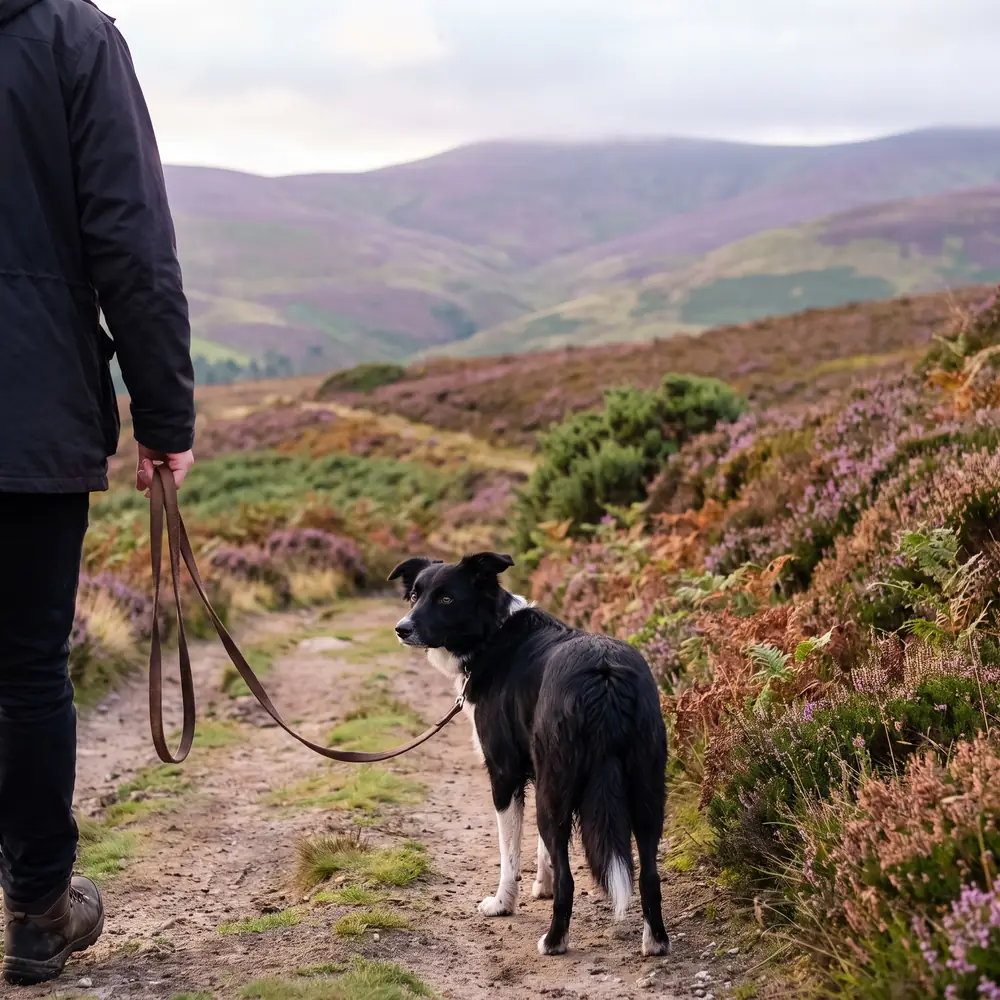 She can't cope with other dogs
Away from where people gather
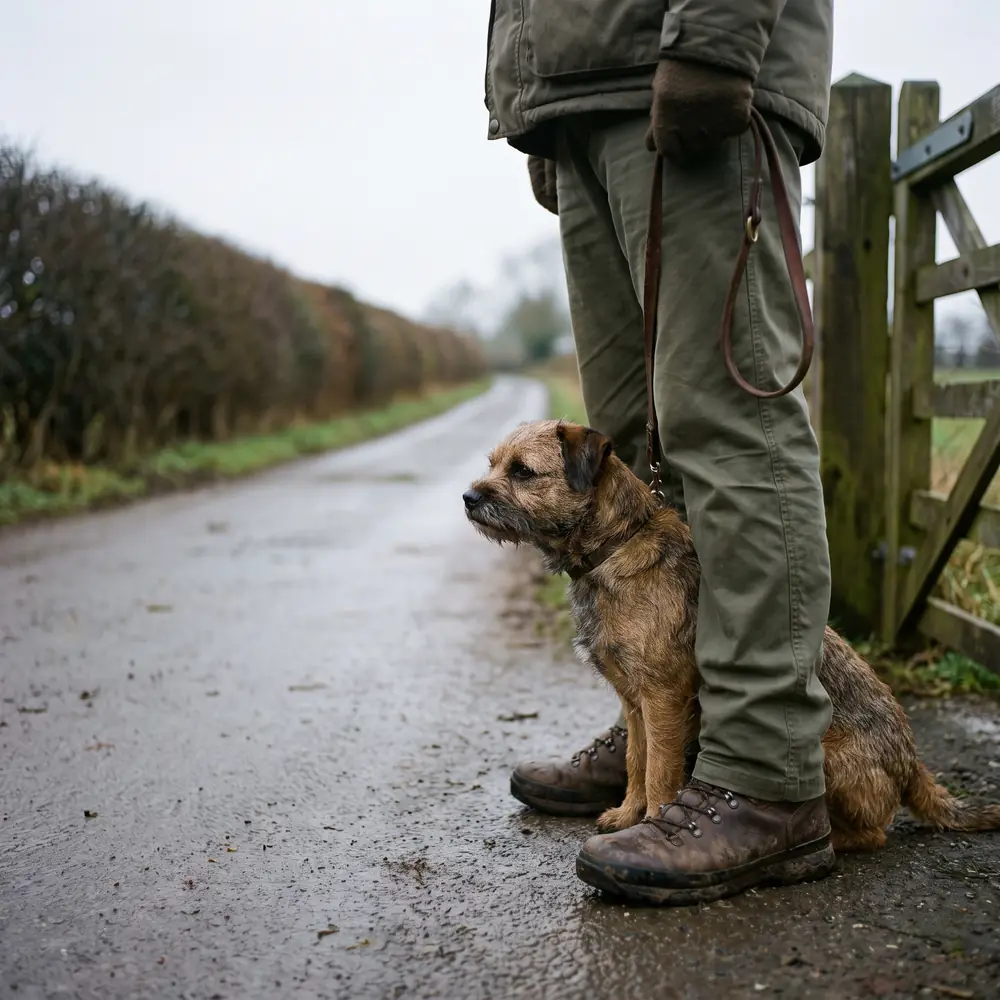 Bikes and runners set him off
Away from where people gather
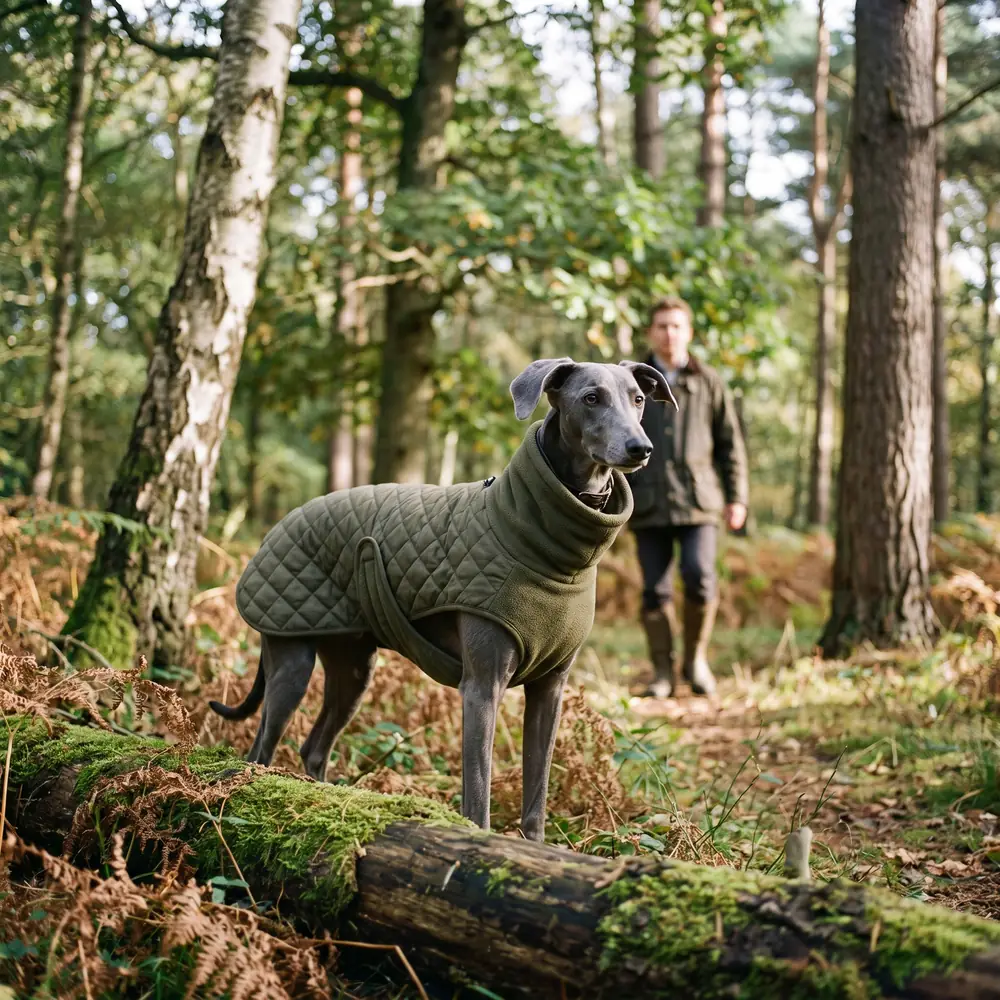 Bangs and traffic scare her
Off the roads
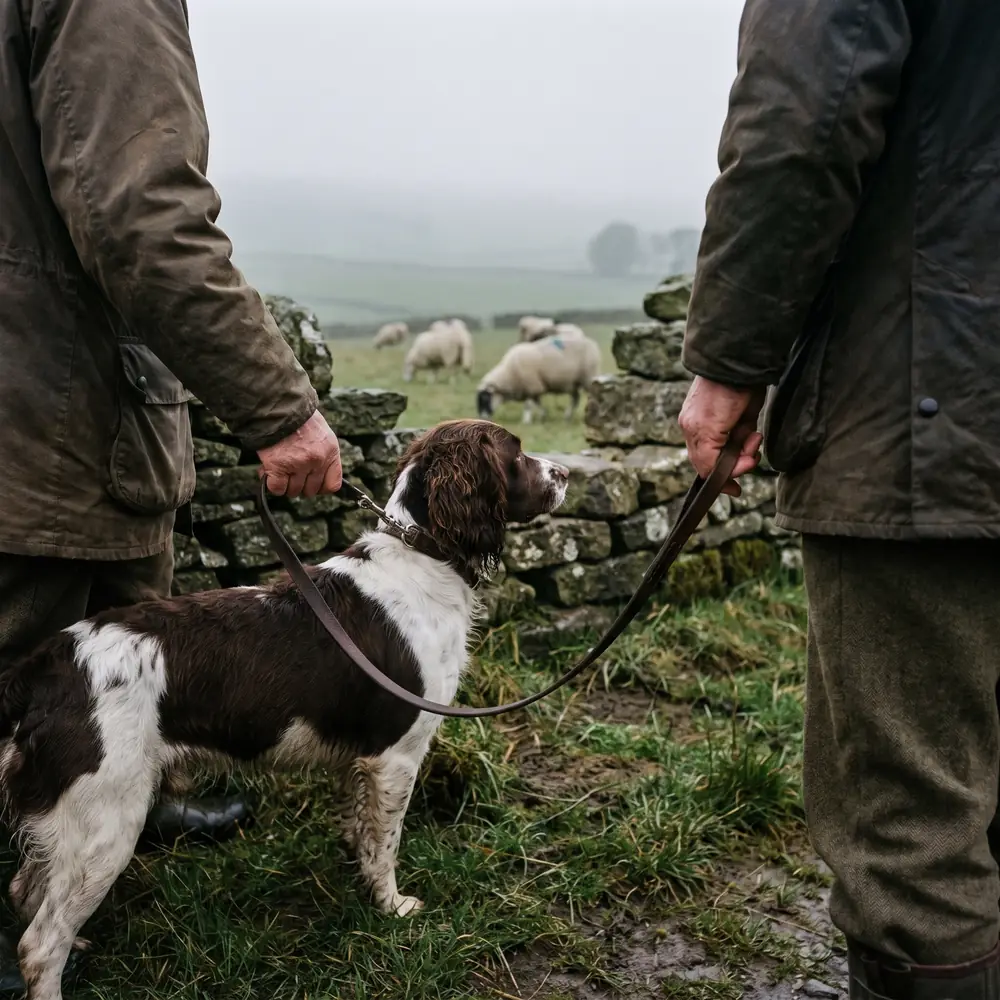 He goes after sheep
Away from livestock
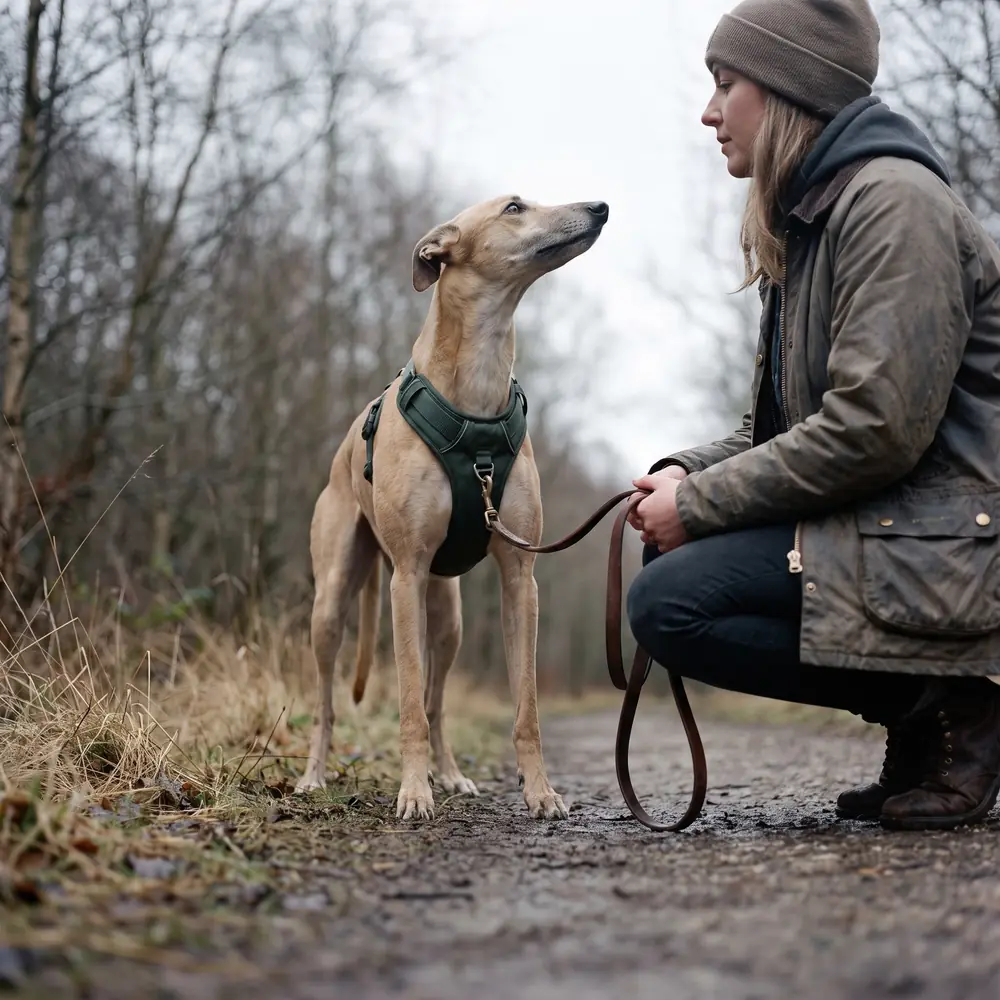 We don't know her history yet
Tell us as you learn, and the walks change
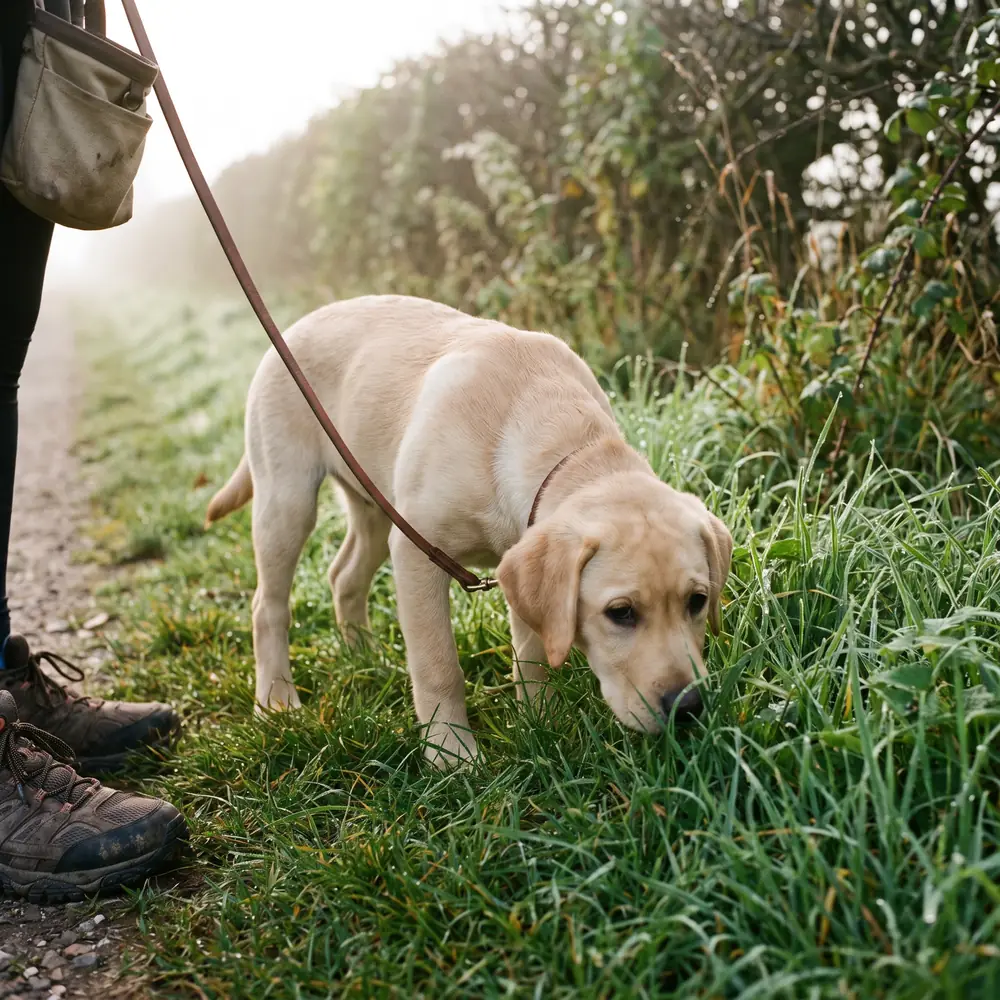 Our first puppy
Short walks, as short as you like
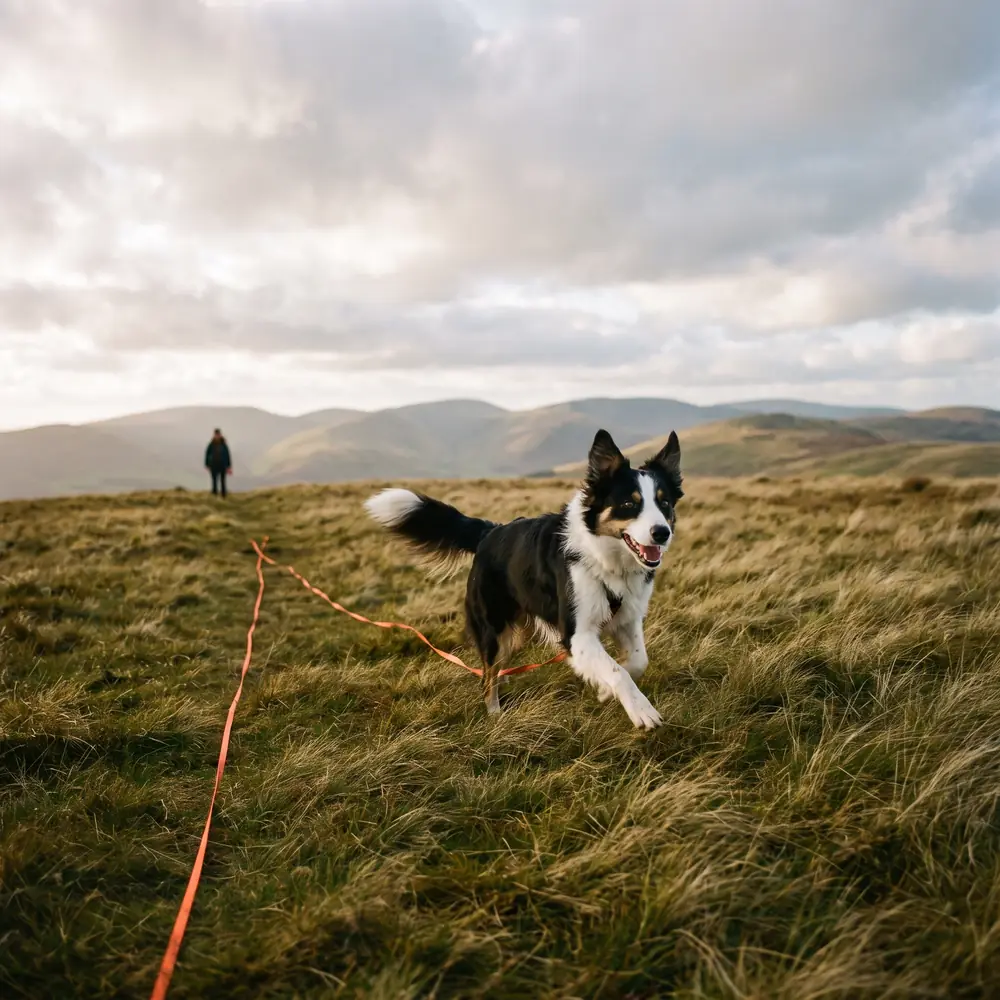 He needs a proper run
Room to roam
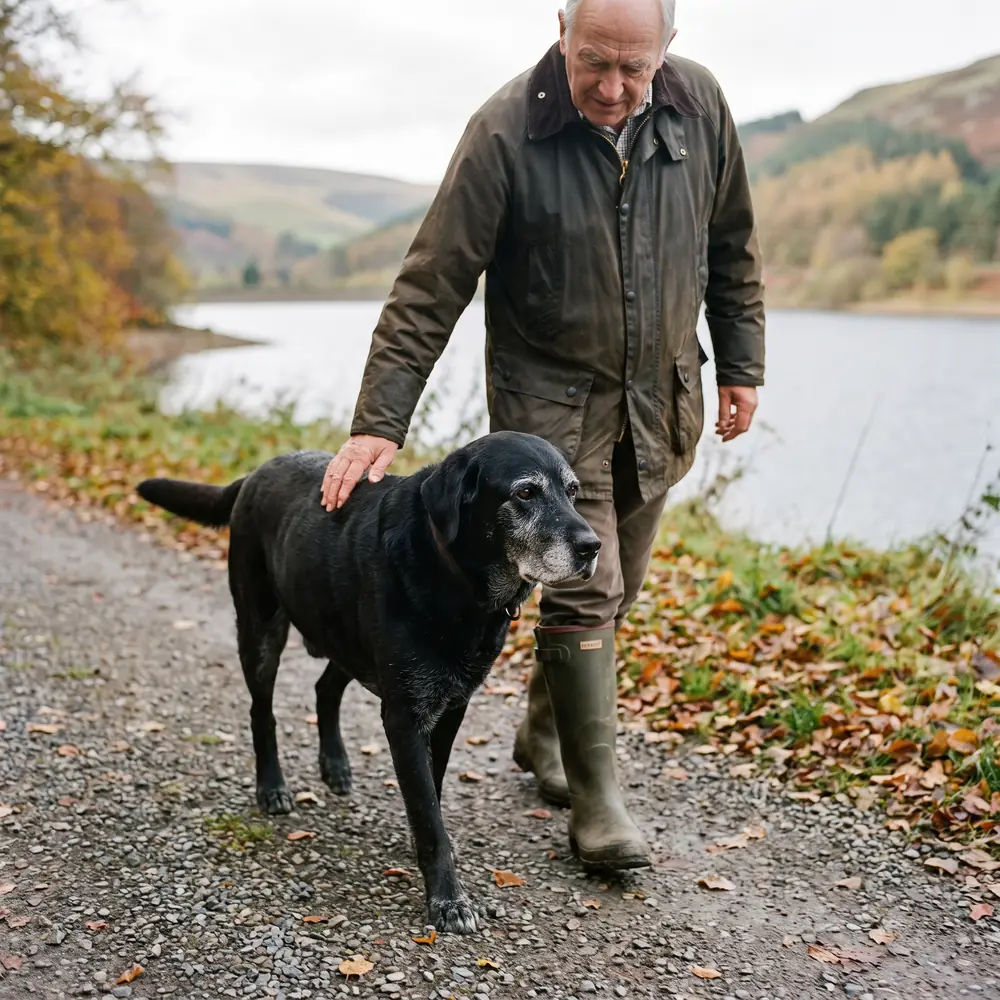 He's slowing down
Firm underfoot
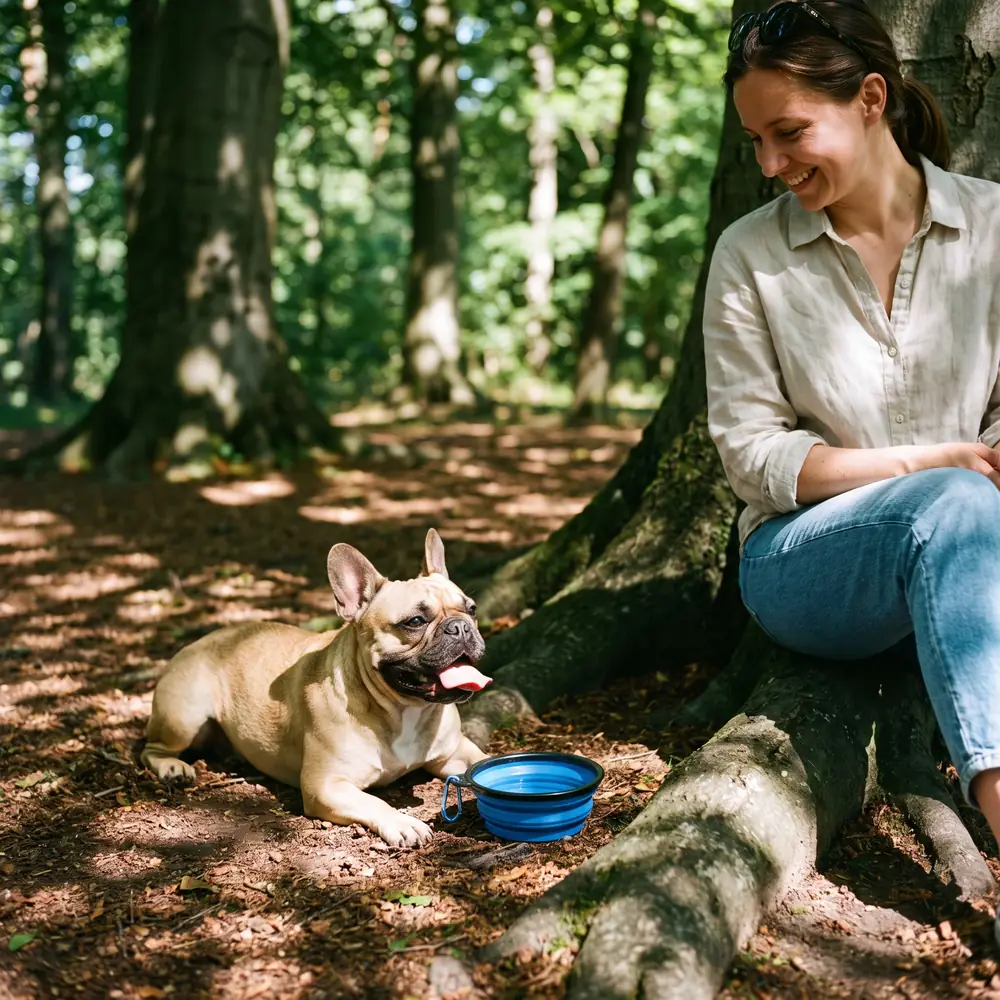 Flat face, hates the heat
Shade among trees
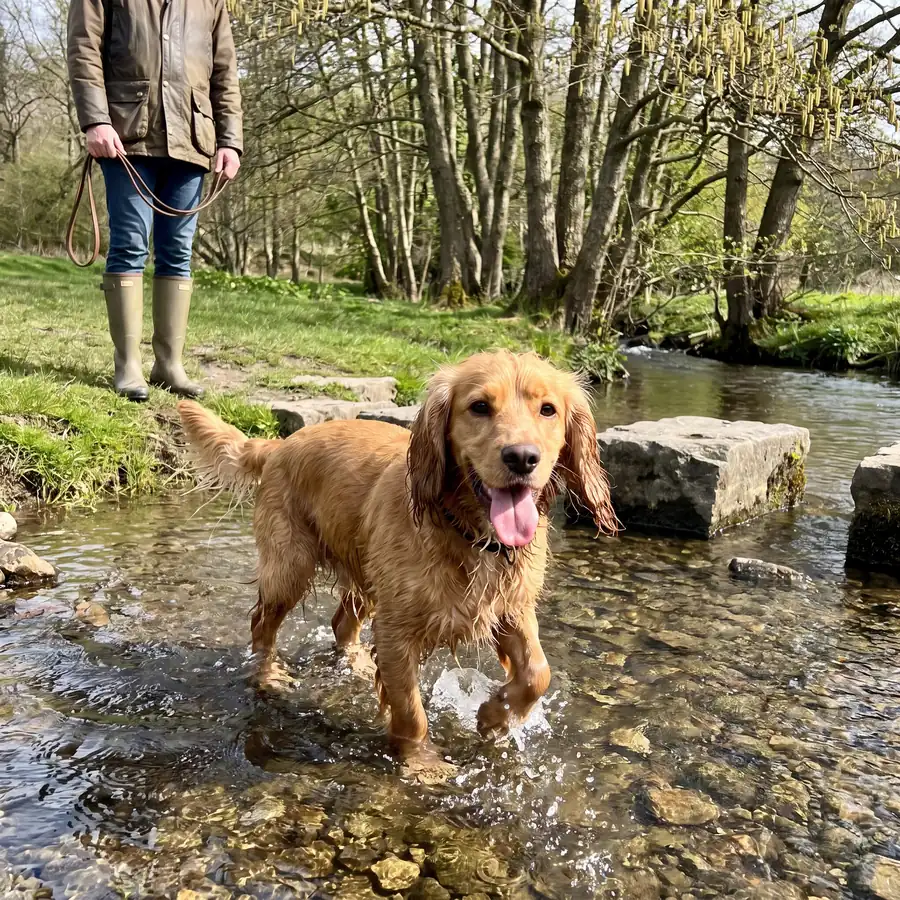 He'll swim in anything
Water on the way
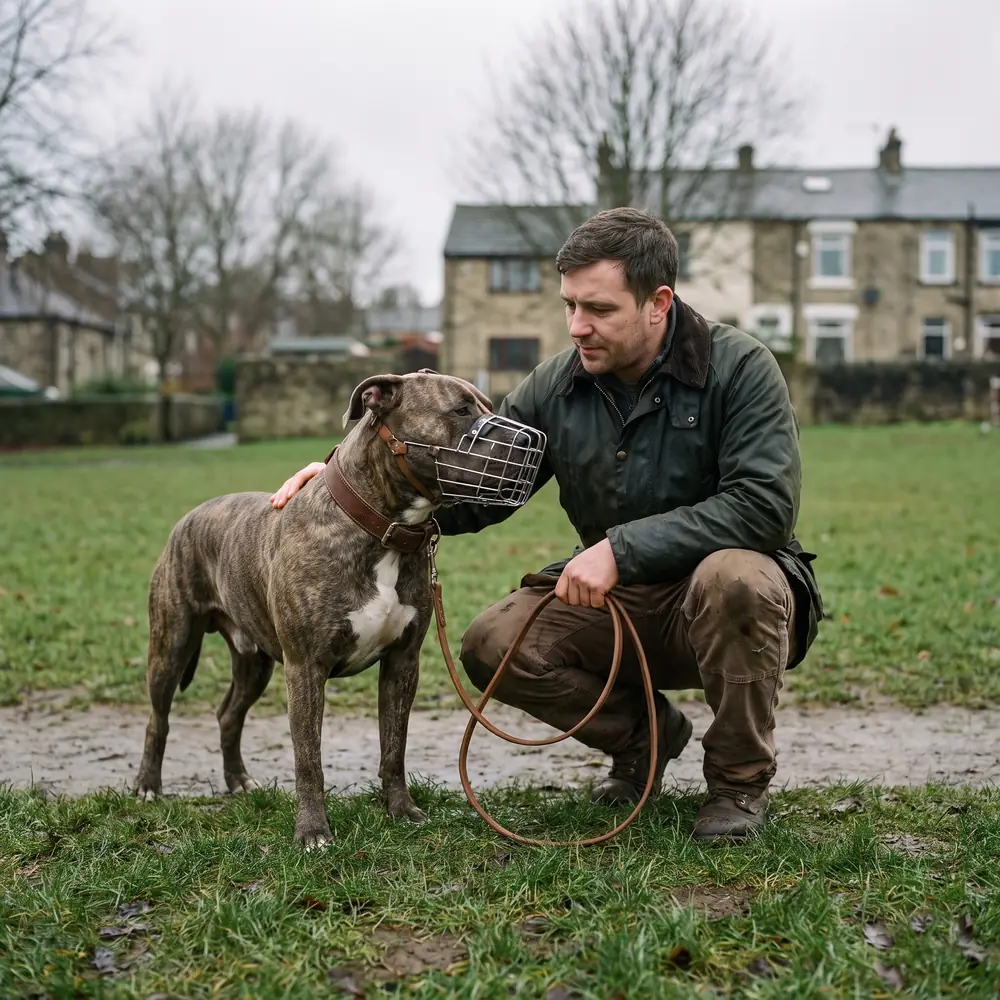 Muzzle on, lead on, by law
Away from where people gather
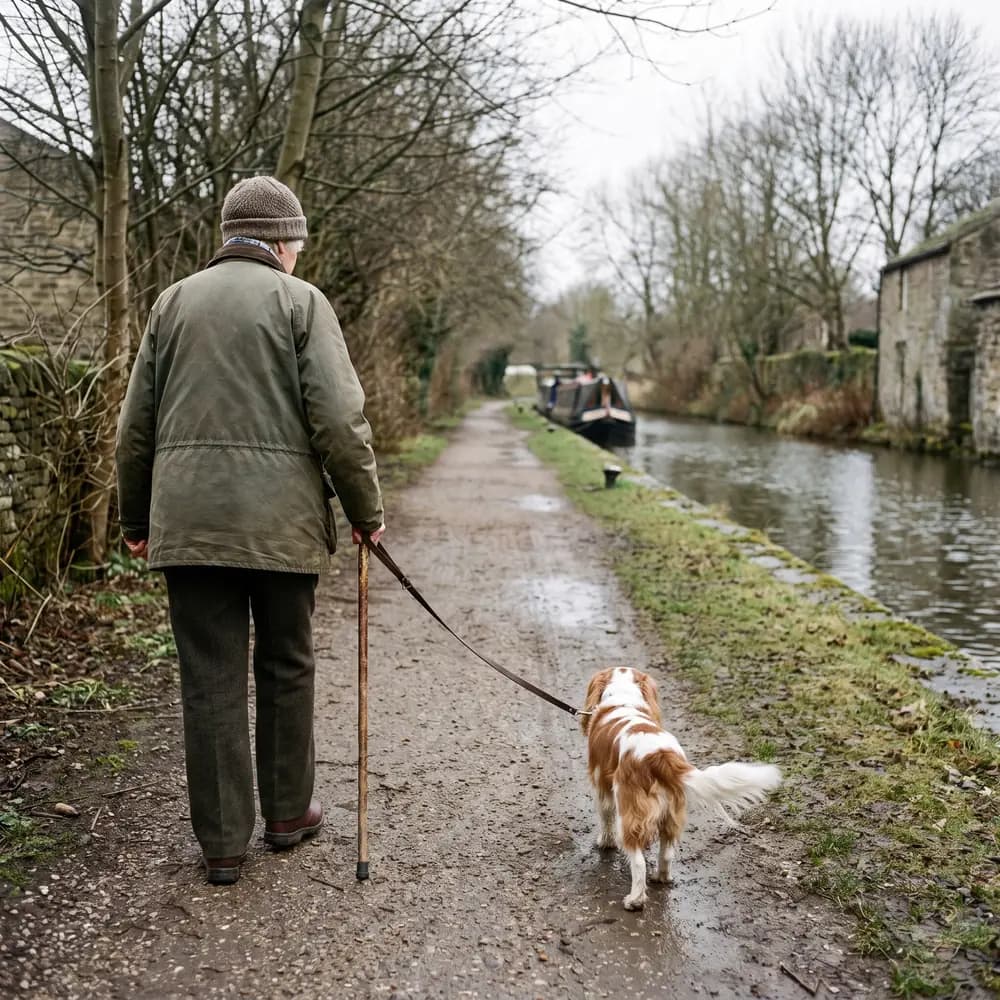 My knees won't manage stiles
No stiles or cattle grids
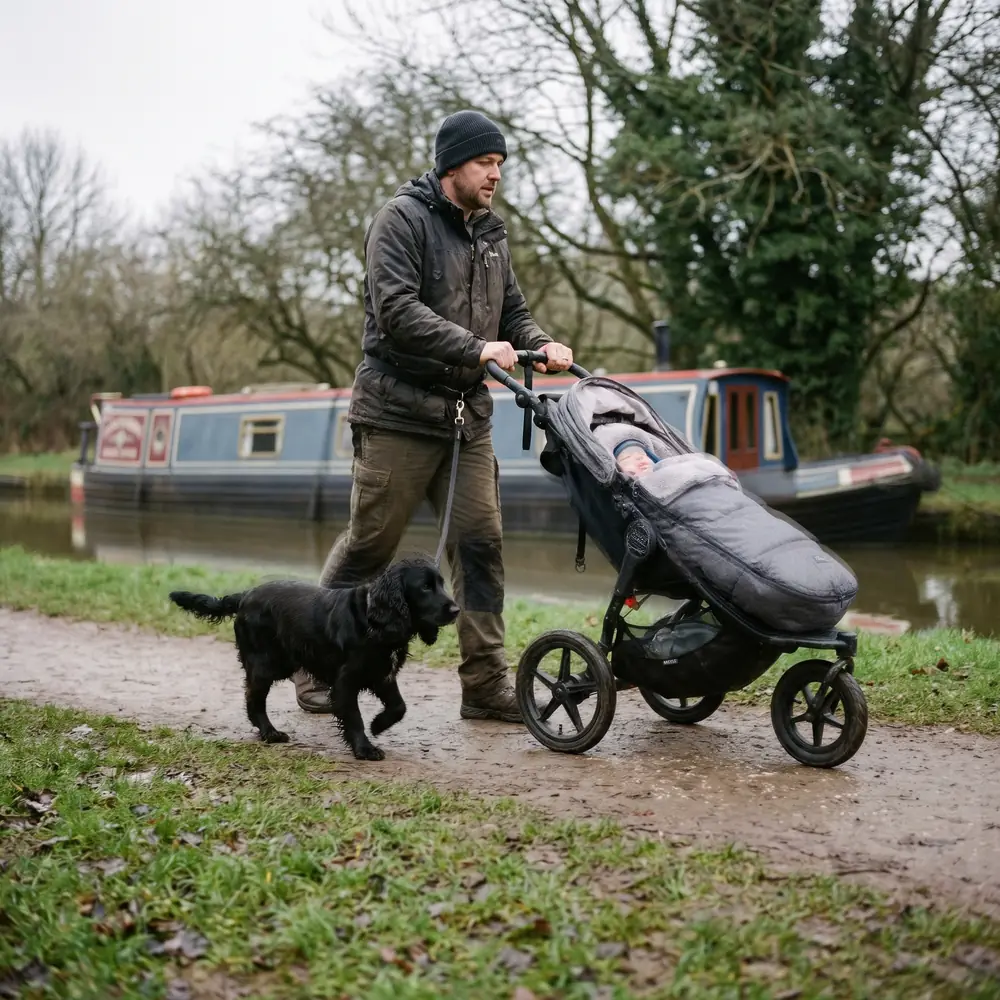 Pushchair and a spaniel
Firm underfoot
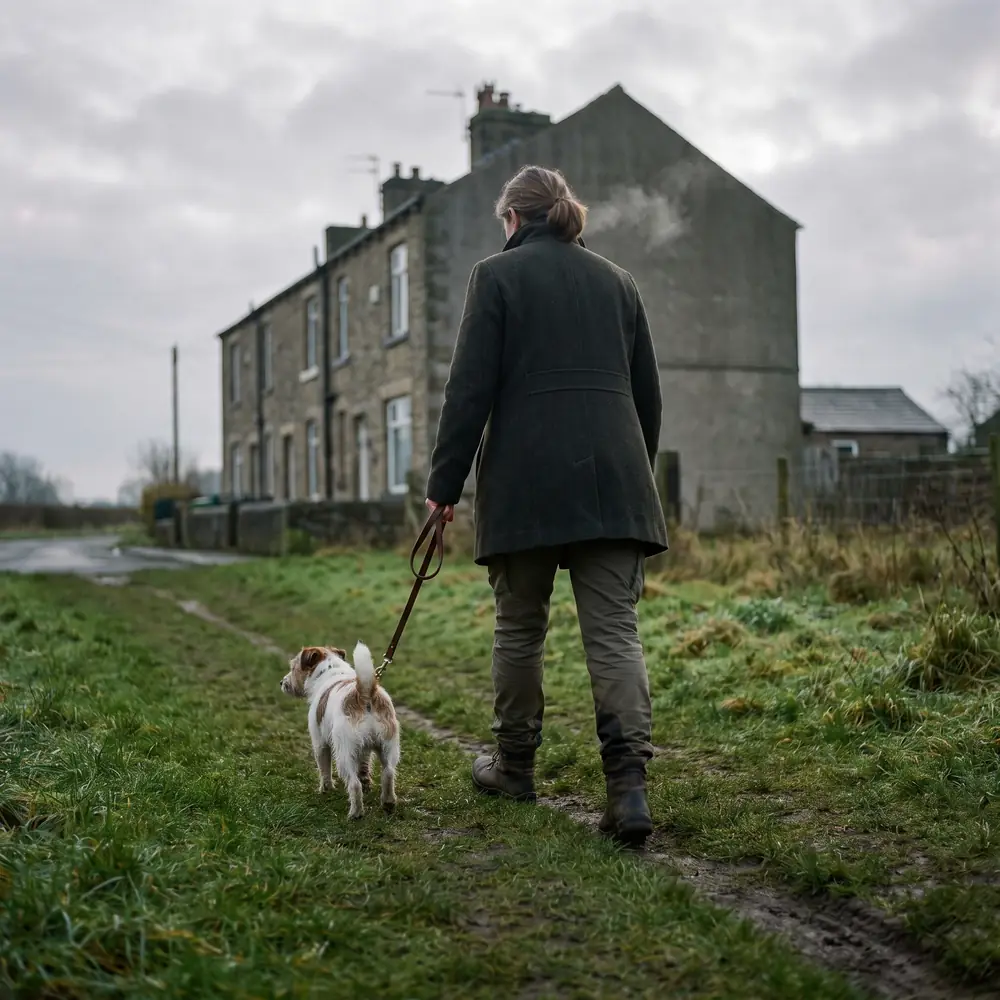 Twenty minutes before work
Starts near home, as short as you like
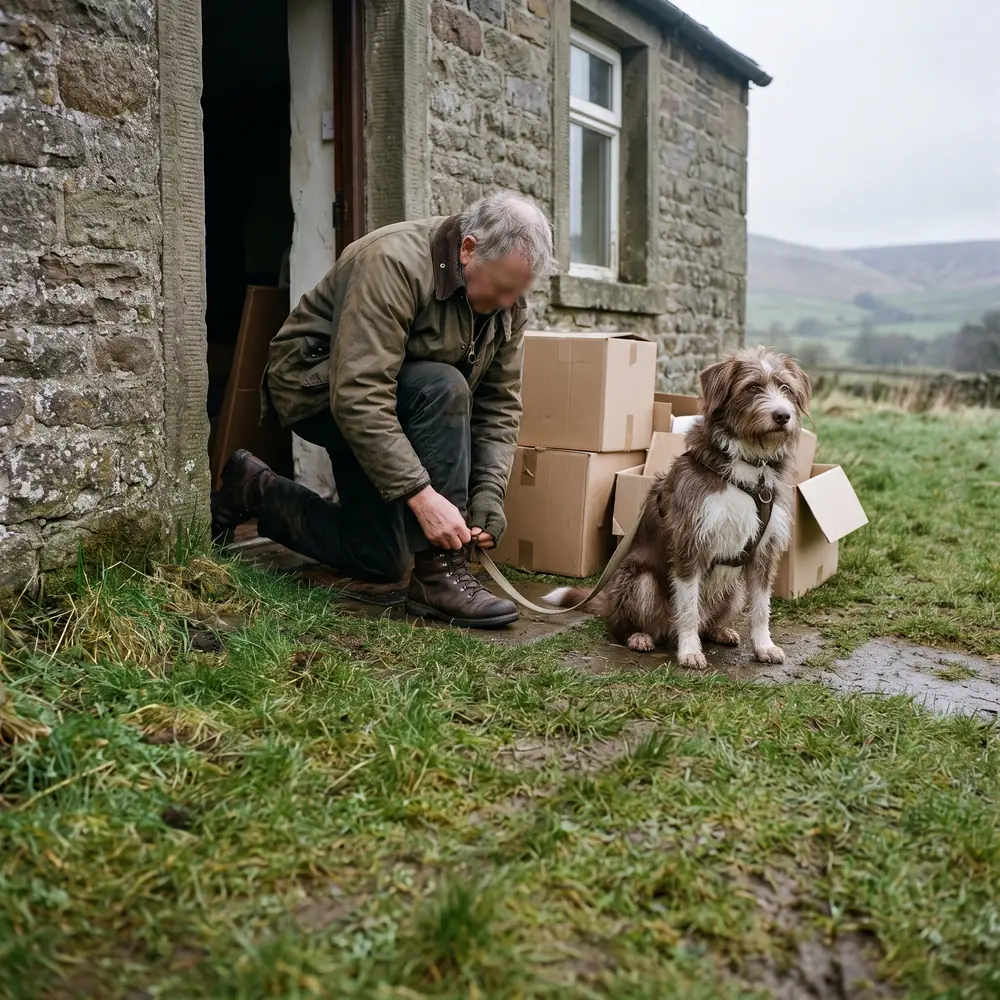 We've just moved here
The walks near you, measured
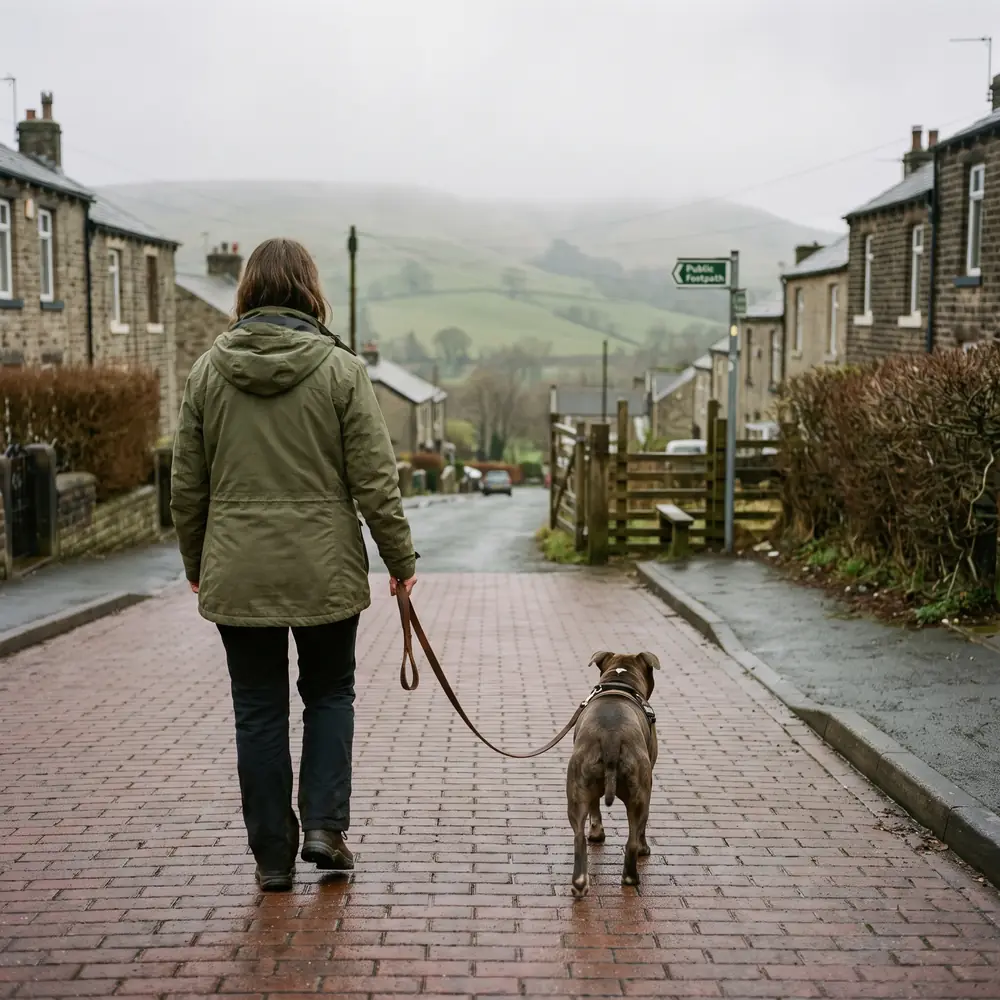 No car, so from the door
Walks that start where you are
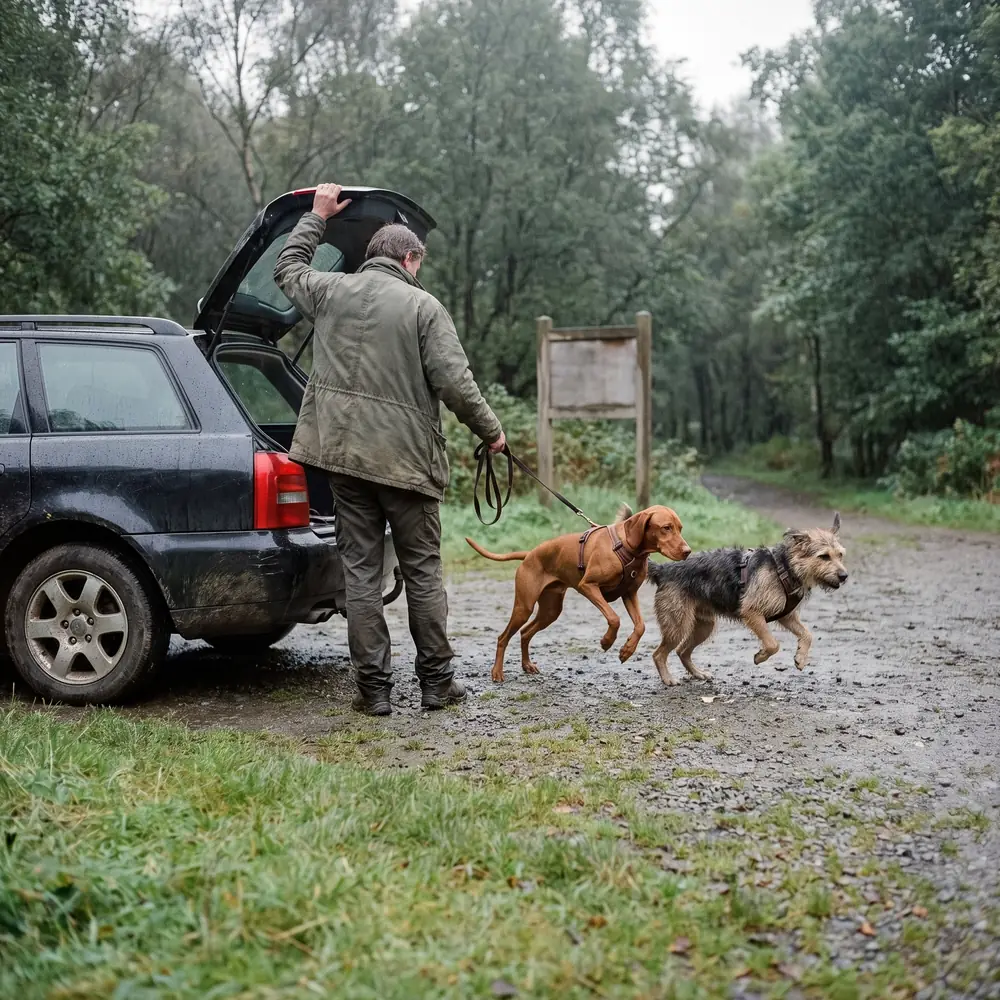 Somewhere new at the weekend
A car park at the start
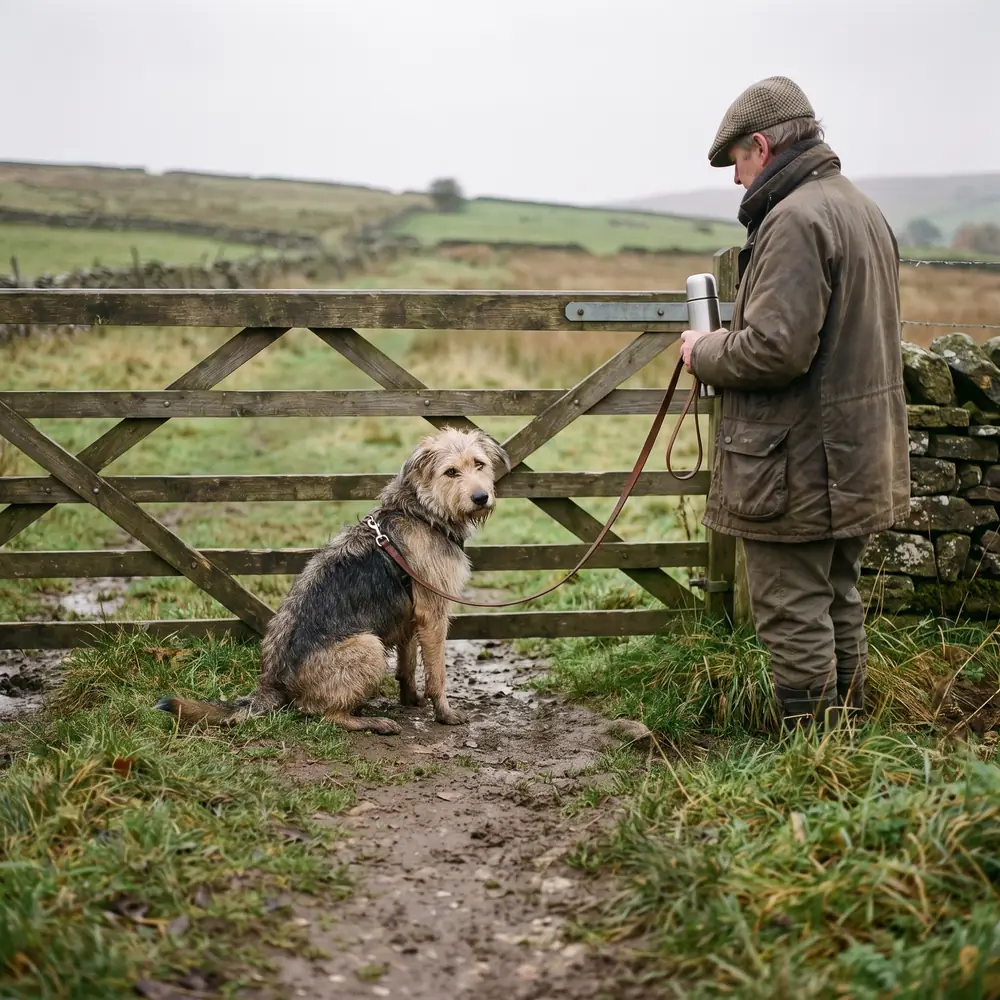 Same loop every day
Different walks, a few at a time
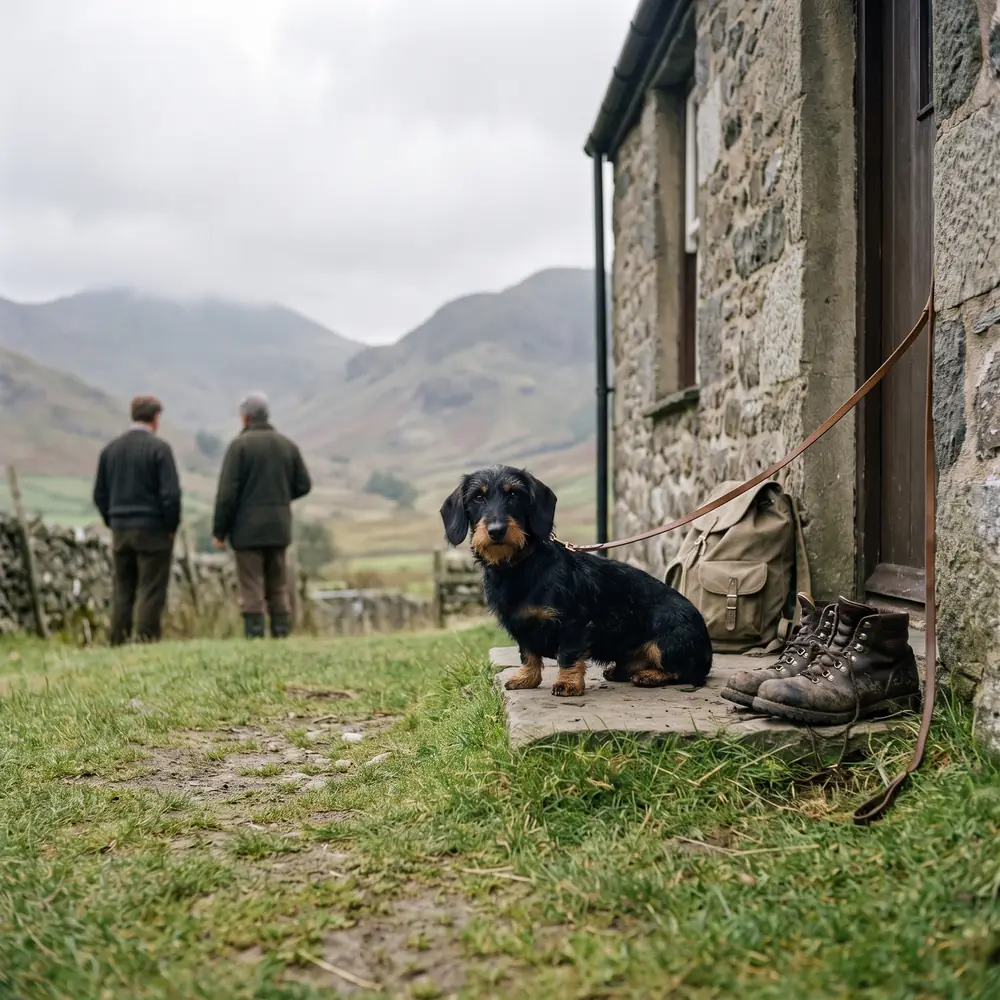 Away with the dog
Walks near wherever you're staying
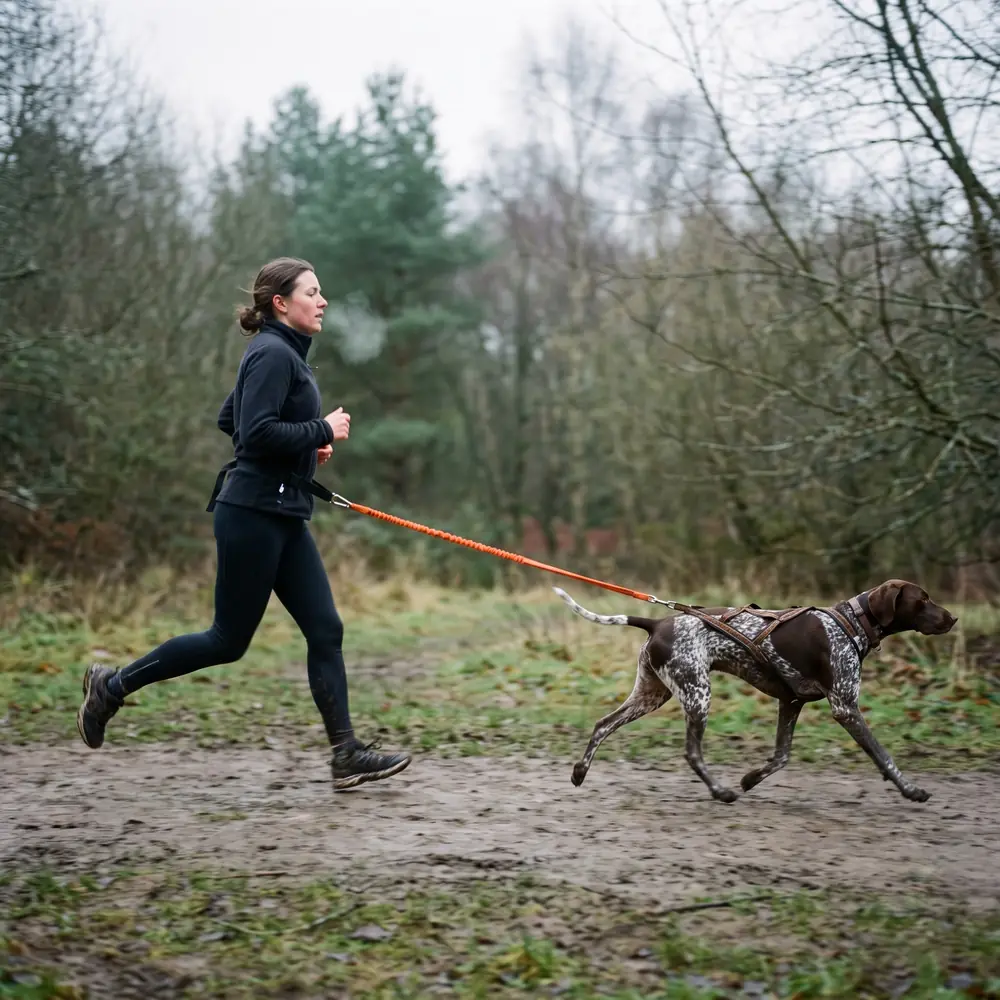 I run with my dog
Loops at the length you run
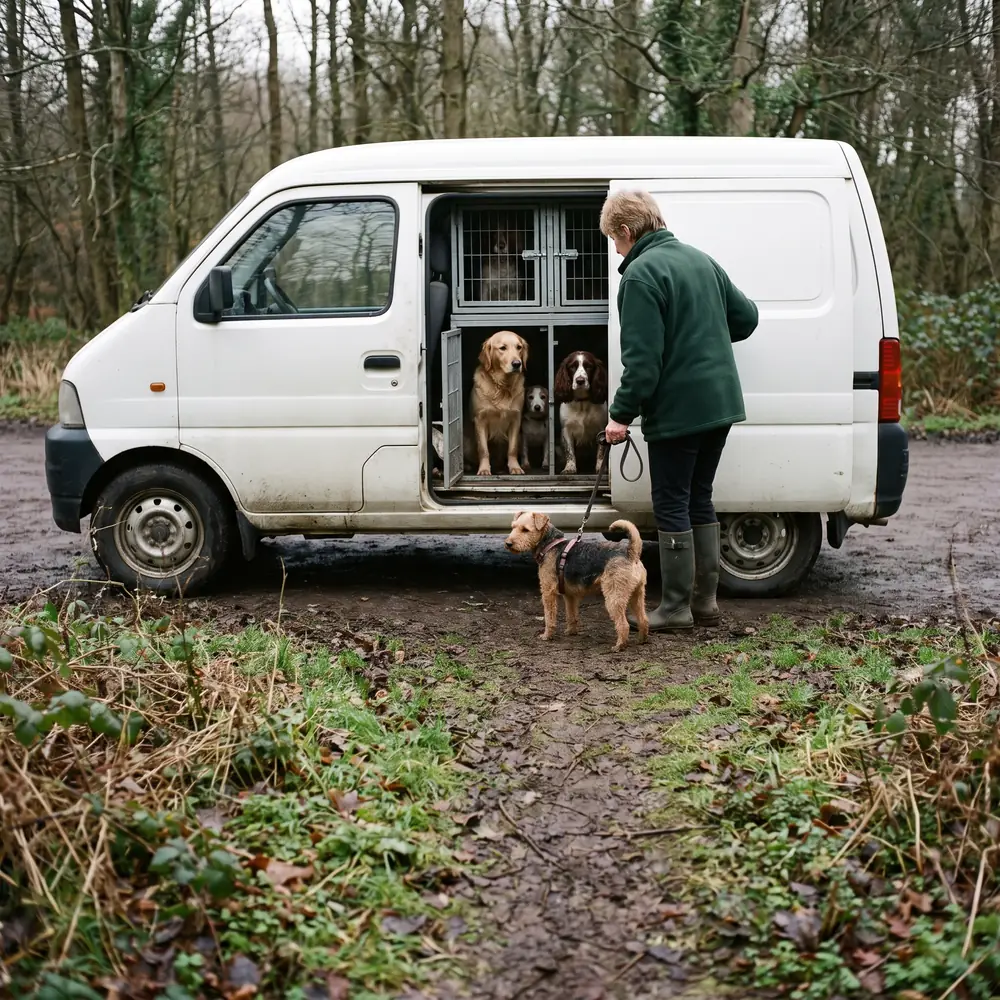 Six dogs in the van
Where to park, and the dog rules where we hold them
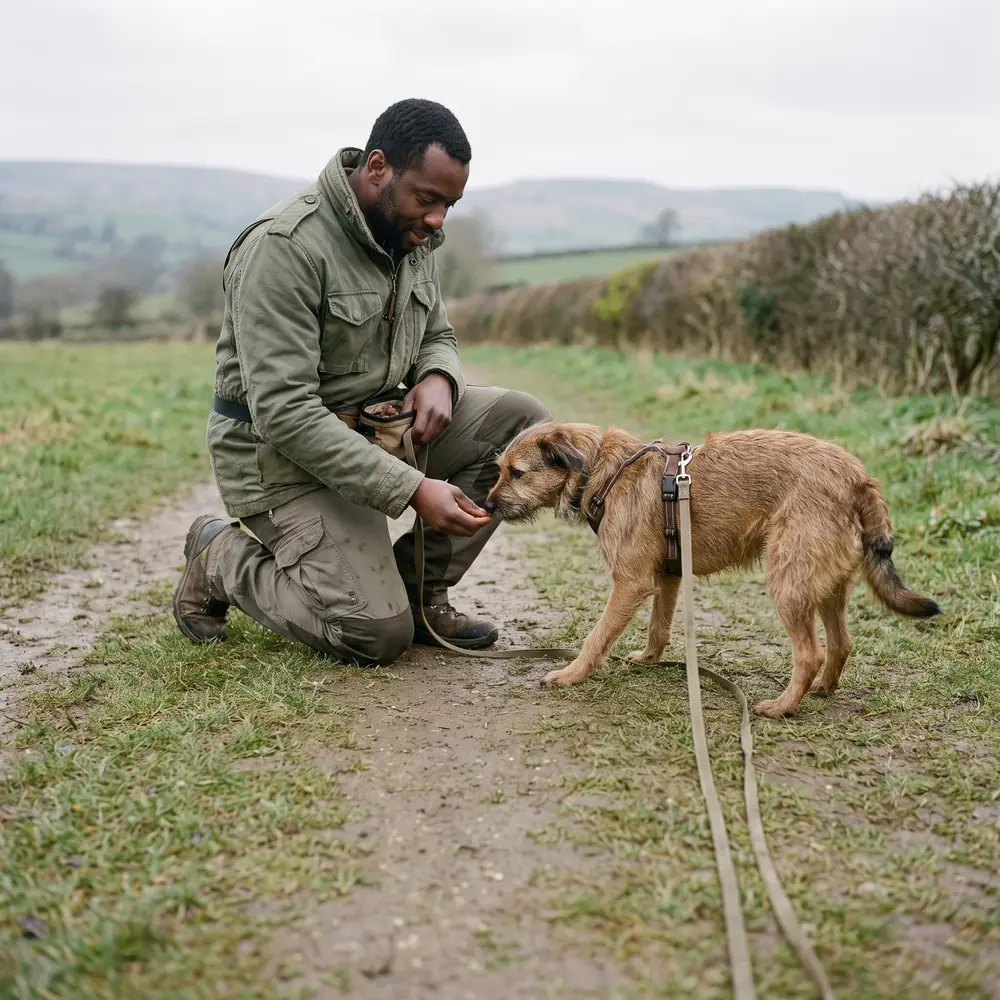 I point clients to the right walks
Share a walk with a link
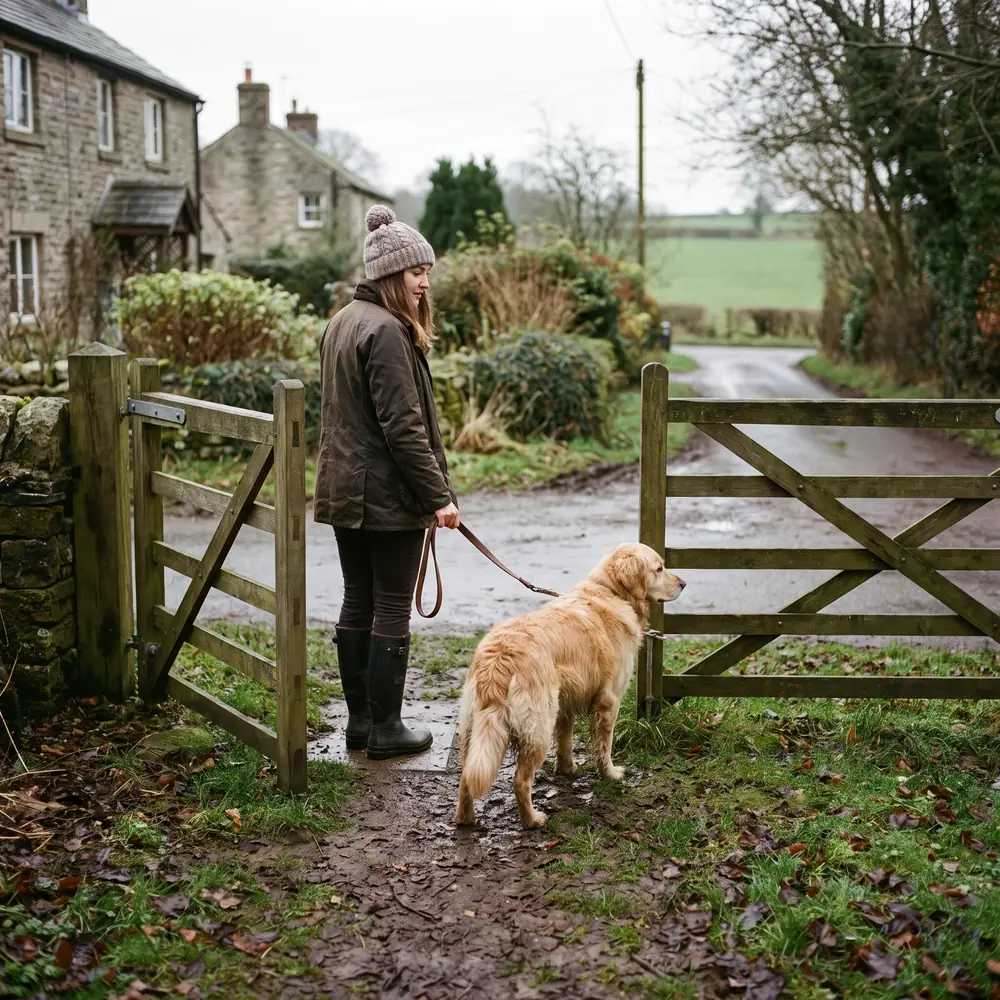 Walking a dog I've just met
Tell us about the dog before you go
Your dog
Start by telling us about your dog
Talk for a couple of minutes, the way you would tell a friend, and we type as you speak. If you would rather not, answer the same questions by tapping. Either way you see it written down, and you can change anything before a word of it is kept.
- Say it out loudBreed, age, what they love and what they cannot cope with. We never keep the recording.
- Or tap your answersOne answer where only one fits, as many as you like where several do.
- See what your walks have to doYour answers become a short list, like off the roads or away from livestock, and every walk we suggest is matched against it.
An example of telling Trekosa about a dog called Skye. Her owner answers the first question out loud, picks where she goes off the lead from a list, and ticks what she finds hard. Trekosa then shows her profile and what her walks have to do: away from livestock, off the roads, water on the way.
Finding a walk
Six walks at a time, one by one
Tell us where you want to start and how far you want to go. We look through the walks we hold near there, leave out any that clash with what you have told us, and bring you six that suit your dog and you. Say yes or no to each and the next one comes, for as long as we hold walks near you.
- Choose where to startMove the map under the pin, or search for a place or postcode, and say how far away the walk may start.
- Say how longAnything from 1 to 15 km, as a loop, there and back, or one way.
- Meet them one by oneThey start in different directions, so you get a real choice rather than the same walk six ways. You see each one on its own, not in a list, keep the ones that suit, and there are always more behind them.
What every walk is checked against
Before a walk reaches you, we measure it against public data from the Ordnance Survey, OpenStreetMap, councils, Natural England, the Forestry Commission and the Department for Transport. The card turns that into a few plain facts, with anything that might stop you first. Here is what each check found on the walk at the top of this page.
- Where you may walkCouncil maps of rights of way, open access land, woods open to the public and the coast path.On this walkA right of way for 91% of it, on footpaths, bridleways and lanes.
- What is beside the pathGrazing and crop fields, woods and water, and protected sites with their nesting seasons.On this walkWoodland for 52% of it, water for 39%, and grazing fields beside most of it.
- Roads and trafficThe roads a walk runs beside, with traffic counts from the Department for Transport where it counts them.On this walkA busier road for 17% of it, in two short stretches.
- Dog rulesCouncil orders that restrict dogs, where we hold them, and a plain "not checked" where we do not.On this walkNo council dog order on this walk. Checked 30 July 2026.
Before you go
Know it before you go
The same walk, laid out kilometre by kilometre: how it climbs, what sits beside the path, and where the stiles, gates and grids are. We show you this for every walk we suggest.
Your walks
Keep the ones that suit
Every walk you keep goes into your list, with how far it is, how long it takes and whether you have walked it. As the list grows, buttons appear across the top to narrow it down, and only the ones that would change what you see.
- Grouped by how far awayClose to home, a short drive, or further afield, and by the name of the place when we can tell.
- Narrowed in one tapWalks you have not tried yet, ones under an hour, close by, in woodland, beside water, with no stiles, or past a pub.
- Your own walks as wellDraw the loop you already walk and it joins the same list.
An example of the walks a household has kept, grouped by how far away they are, with buttons across the top that narrow the list: Offline, Not tried, Under an hour, Close by.
Anywhere in Great Britain, even with no signal.
- Trekosa, freeWalks in your home county, for good.
- Trekosa FurtherWalks in the whole of Great Britain: England, Wales and Scotland, in one subscription.
Further is the Trekosa subscription. It opens up the whole of Great Britain and adds the Further map. Press Offline on a walk and its map stays on your phone when the signal goes. Drift off the path and you get a quiet buzz; want to turn back and it shows the quickest way to the start.
The first 250 households have it for good. After that, £4.99 a month or £34.99 a year.
What people add
What only people can tell you
The map finds a walk that should be right. It cannot tell you whether a stile has been broken since March, or whether there were sheep in the field on Sunday. Somebody who has walked it can, and on Trekosa everything they say carries when they said it and how many of them have been.
A walk nobody has reported
No reports yetWhen it's calm
Nobody has walked and reported this one yet. Yours would be the first.
Everything else on the walk is measured from the map. Walk it, and the first thing you say is the first line here, with your name off it unless you want it on, and the month beside it.
In the app, every kept walk has a button for this.
Example · once walkers have been
1 walker · today3 walkers · today6 walkers · 3 days ago6 walkers · nothing since AugustWhen it's calm
One check-in so far. A quiet weekday early morning (today). Early days.
Early signal: weekday early mornings look quiet so far. Last confirmed today (3 check-ins).
Walkers report weekday early mornings stay quiet. Last confirmed 3 days ago (6 check-ins).
Walkers report weekday early mornings stay quiet. Last confirmed 52 days ago (6 check-ins).
The stile has a dog gate beside it.
Nell · October 2026Cows in the field just past the woods.
A walker · October 2026Muddy by the beck after rain, fine in boots.
A walker · September 2026Nothing said for 45 days, so the walk stops wearing green: the line keeps its date and the pill says nothing since.
Notes
What we have read and measured
The rules of the ground, what makes a walk hard for a dog, and how we check a walk before you see it. Every fact carries the date we read it and where it came from. All notes.
- The rules of the groundDog walking in Wales: where you may walk, and how it differs from England
The same Act as England covers Wales, so rights of way and open access land work the same way, but every map is Welsh: Natural Resources Wales publishes the access land, the coast path is a route rather than a right, and we have read the dog orders of all twenty-two of its councils, none yet placed in full on the map.
- How we knowHow to find an enclosed dog field near you, and what the open map holds
Start with a directory of hired fields, because they hold far more than any open map, then ask your council's parks team. The open map, OpenStreetMap, shows 567 dog parks and fields in Great Britain, but only 85 are clearly ones you hire. Whatever you find, ask the owner about the fence and the booking.
- How we knowWhat we mean when we say quiet
Quiet is a time of day, never a property of a place. Every quietness claim in Trekosa names one of six three-hour slots, weekday or weekend, and carries the count of check-ins behind it and the date it was last confirmed.
Our promise
What we will never tell you
- That a walk is safeNot safe, not secure, not fine off the lead. We cannot know it, the ground changes week to week, and being wrong about that once can set a household back months.
- A top tenA ranked list sends everybody to the same place, which is the fastest way to spoil a quiet one. You get a short list for your dogs. The next person gets a different one.
- Silence, where we know nothingIf nobody has walked it yet, the app says so. If we could not get a council's dog rules, it says that too. An empty space looks like good news, and we will not let it.
What you get instead is the date. Every fact carries who reported it, how many of them, and when it was last checked. Where our data comes from.
Where we are
Every county in England, all of Wales and all of Scotland.
It runs from Orkney, Shetland and the Western Isles down to Cornwall. Find your county.
All of it for one thing. The confidence to get out the door.
Questions
Questions people ask
Short answers. The rest of this page is the long ones.
- What is Trekosa?
- A free app that finds dog walks to suit your dog and you. Tell us once what your dog finds hard, such as other dogs, sheep, stiles or busy roads, and we show you walks near you that fit, with the roads, stiles and livestock marked before you leave the house.
- Is it only for nervous or reactive dogs?
- We built it for them first, and for the people who walk them, because that is the hardest walk to plan. It works just as well for a puppy, an old dog who is slowing down, a dog who has to stay on the lead, or an owner with twenty minutes before work. Whatever makes a walk hard for your dog is what we choose the walks around.
- Where does it work?
- Across every county in England, all of Wales and all of Scotland. We started in West Yorkshire, and every walk, wherever it is, is checked against the same public data. Where we hold no data for an area, we say so rather than guess.
- Will it tell me whether a walk is right for my dog today?
- No, and we never will. The ground changes week to week, and nobody can know from a desk what is in a field this morning. What we show you is what we measured and what other walkers reported, each with a date, so the decision is yours and you have what you need to make it.
- Does it know where dogs must be on a lead?
- Where a council has published a dog control order and we have managed to map it, yes: the walk says so. Where we could not get a council's rules, the walk says that instead, because a blank space looks like good news and it is not.
- What does it cost?
- Finding walks in your home county is free for good. Further, the subscription, opens up the whole of Great Britain and adds the Further map, the map with no signal and a buzz on the walk, for £4.99 a month or £34.99 a year, and the first 250 households to walk a route and check in have it free for good. No adverts, and we never sell your data.
- Is there an app to install?
- It runs in your phone's browser and adds to your home screen like any app, and it works away from signal once you have downloaded your area. An Android app is in testing on Google Play.