Notes

The rules of the ground, what makes a walk hard for a dog, and how we check a walk before you see it.

Each note starts from what we hold: the council dog orders we have read line by line, the walks we have measured, and the public map data we check them against. Where our information stops, the note says so, because a gap in what we know is not the same as nothing being there.

What makes a walk hard · · By Paul McManus, founder of Trekosa

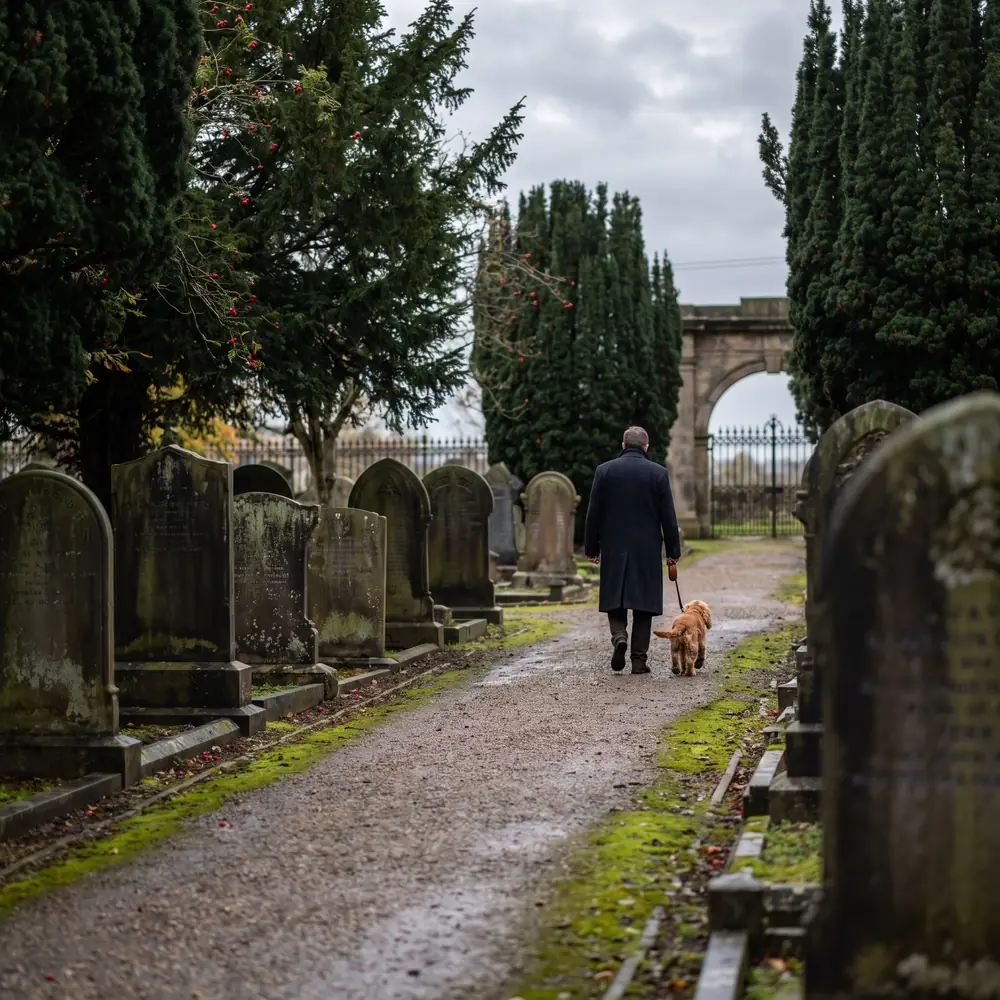
Walking a reactive dog: the first step out of the door

A reactive dog needs sightlines, room to step off, a way out and a time nobody else picks. We ask once what your dog finds hard, check every walk for roads, stiles, livestock and lead rules, and say plainly what no map can know.
The rules of the ground

Council orders, the coast, and the law in each country, read from the documents.

  • Pheasant shooting season: what it means on a dog walk

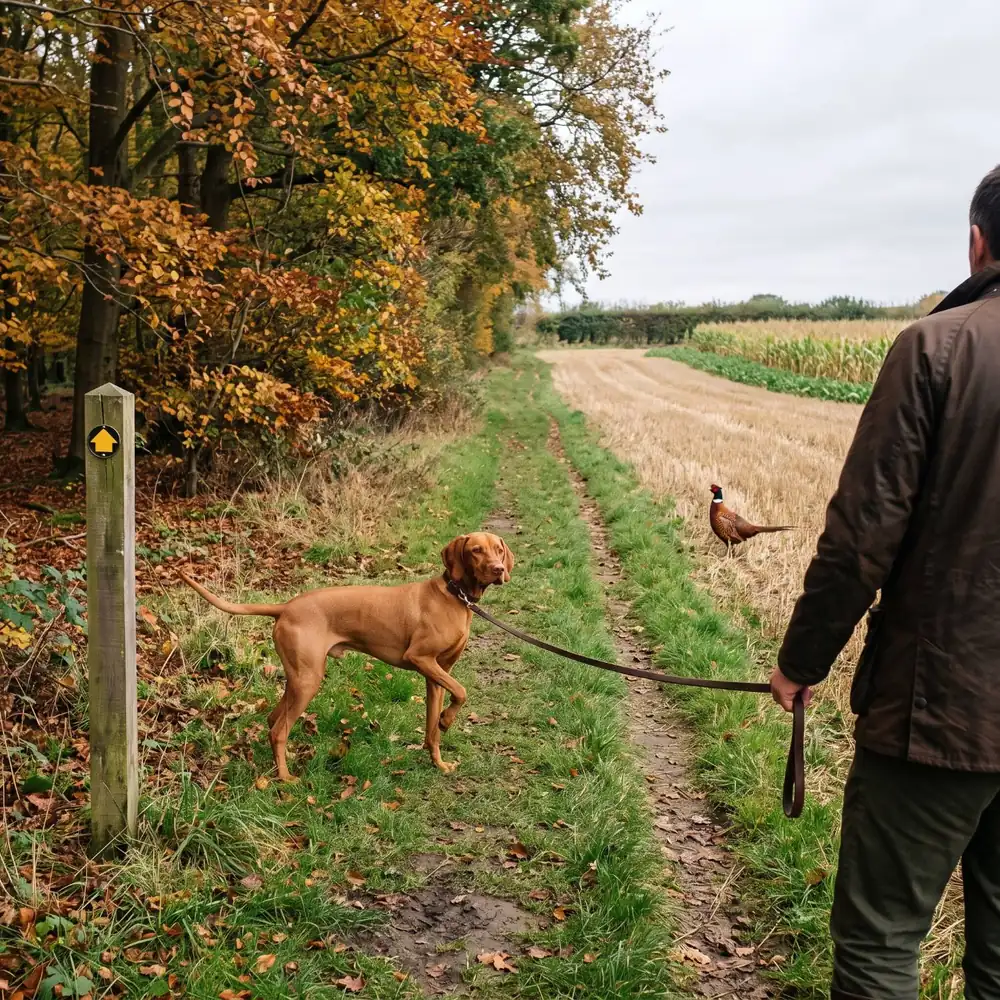
    In England and Wales pheasants may be shot from 1 October to 1 February. A shoot cannot close a public footpath or bridleway: you may walk it on a shoot day, though you may be asked to wait while the guns unload. Open access land is different, because a landowner may close it for up to 28 days a year. Keep your dog close and away from the birds.

    The rules of the ground ·

  • Do dogs have to be on a lead? The law in England, Wales and Scotland

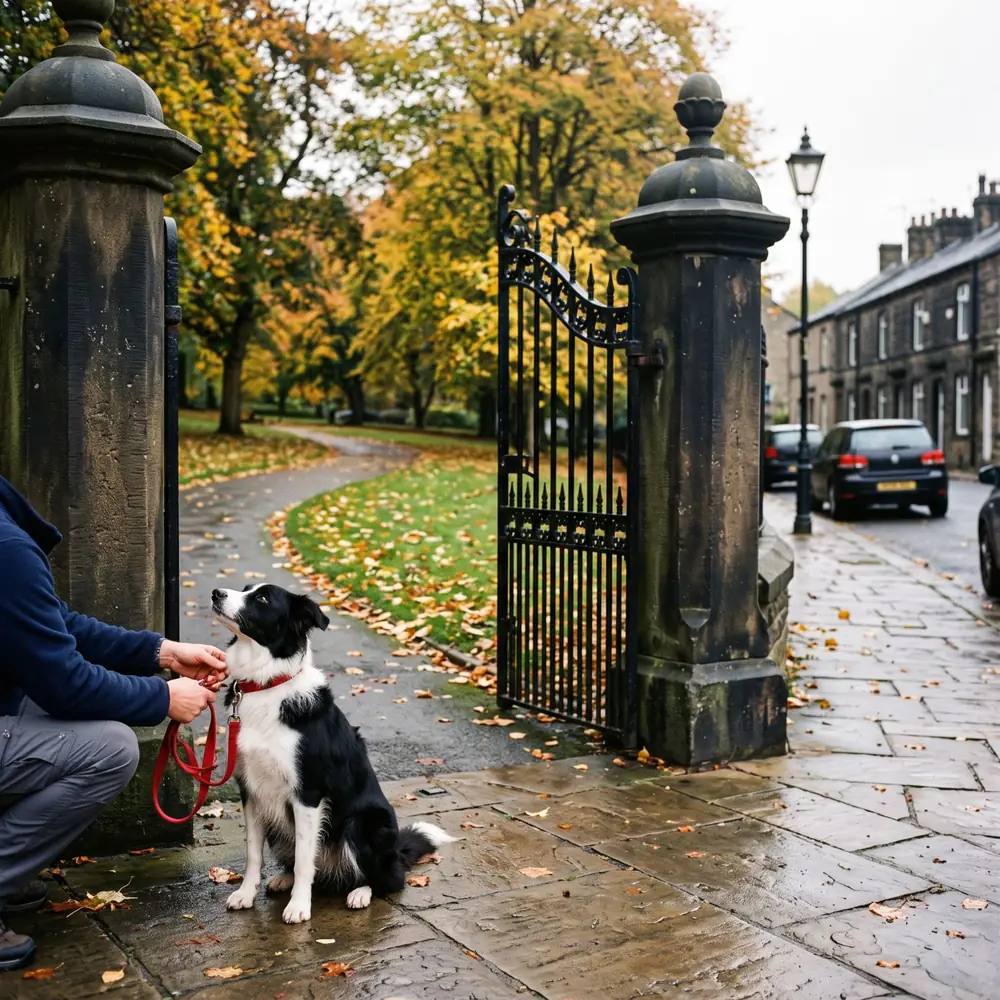
    No. In England, Wales and Scotland there is no general law that a dog must be on a lead in public. A lead becomes the law in particular places: a road the council has designated, anywhere a council dog order says so, open access land from 1 March to 31 July and near livestock, and in practice any field with sheep in it.

    The rules of the ground ·

  • Dogs on leads in Yorkshire: what every council's dog order says

    Six Yorkshire councils have a dog control order with places we have mapped, three have orders we read that say nothing about dogs, and three have orders we could not yet place. Here is what each says, with the date we read it.

    The rules of the ground ·

What makes a walk hard

Stiles, sheep, nesting birds, fast roads, and the first step out of the door.

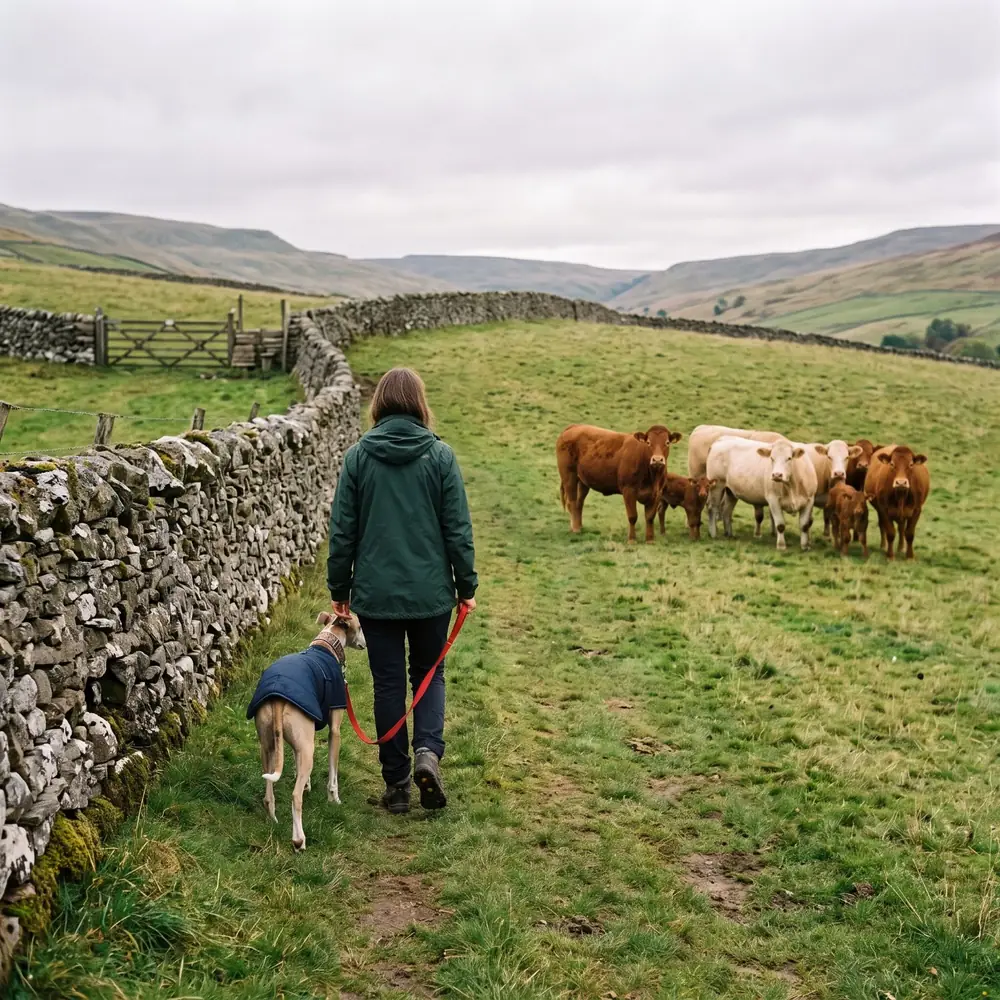
  • Cows and dogs: why cattle follow a dog, and what to do

    Cows follow a dog because they see it as a threat, most of all when they have calves. The Health and Safety Executive names cows with calves and walkers with dogs as the two most common factors when cattle hurt people. Keep your dog on a short lead, give the herd plenty of room and never walk between a cow and her calf. If they come at you, let the dog go and get out of the field.

    What makes a walk hard ·

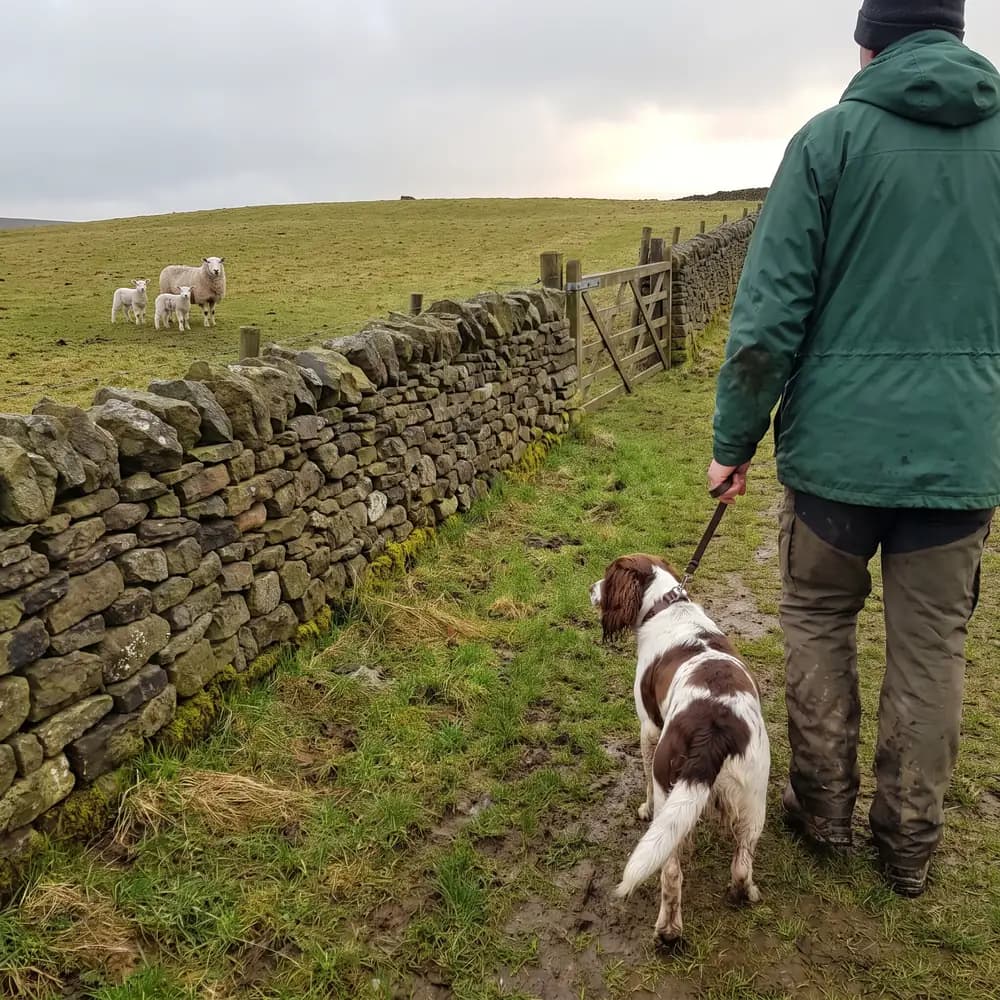
  • Dogs near sheep and cattle: the law when you are walking a dog

    In England and Wales it is an offence to let a dog worry livestock, and since 18 March 2026 that covers attacks and incidents on roads and paths as well as fields. On open access land the lead is the law near livestock all year and from 1 March to 31 July.

    What makes a walk hard · · By Paul McManus, founder of Trekosa

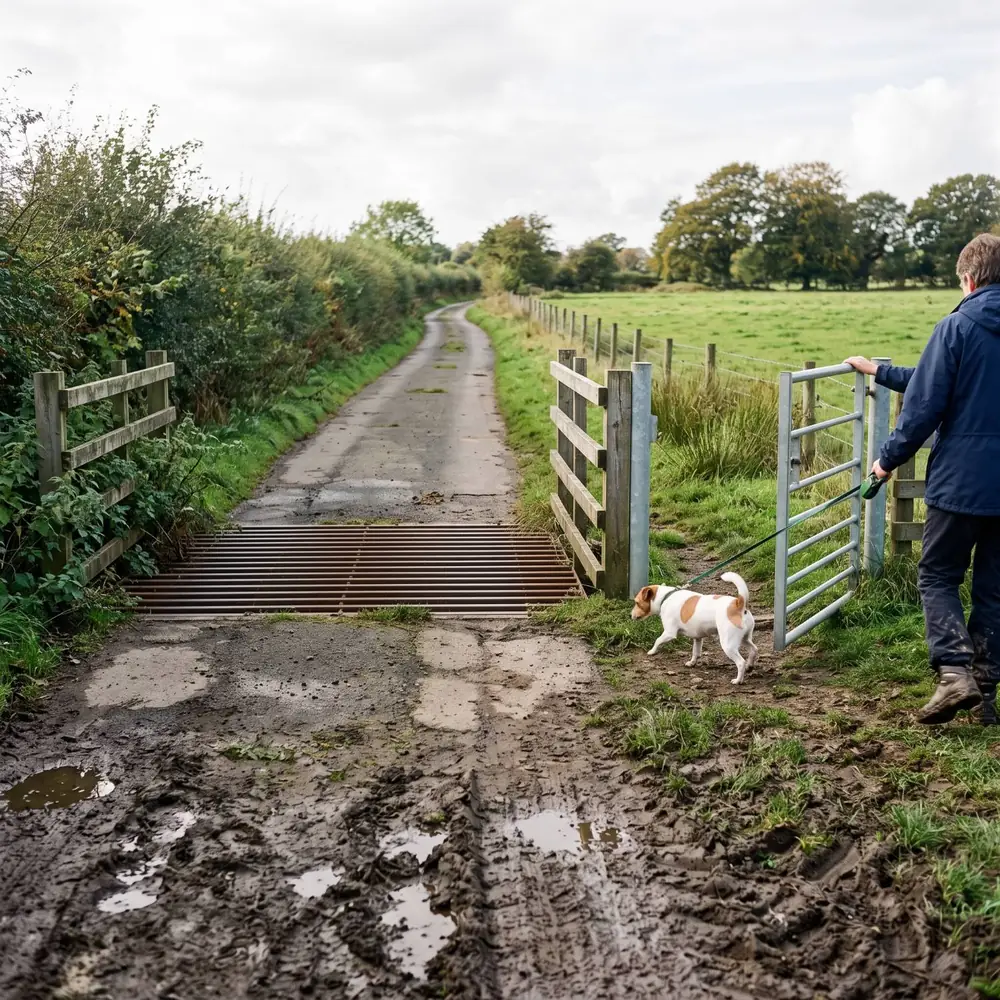
  • Can a dog cross a cattle grid?

    Not over the bars. A cattle grid is built so that an animal's foot drops between them, and a dog's foot can too. Use the gate or the way round beside it. Where a highway authority puts a grid in a road in England or Wales, the law says it must give a gate or a by-pass for animals that cannot cross the grid.

    What makes a walk hard ·

  • The deer rut: walking a dog near deer in autumn

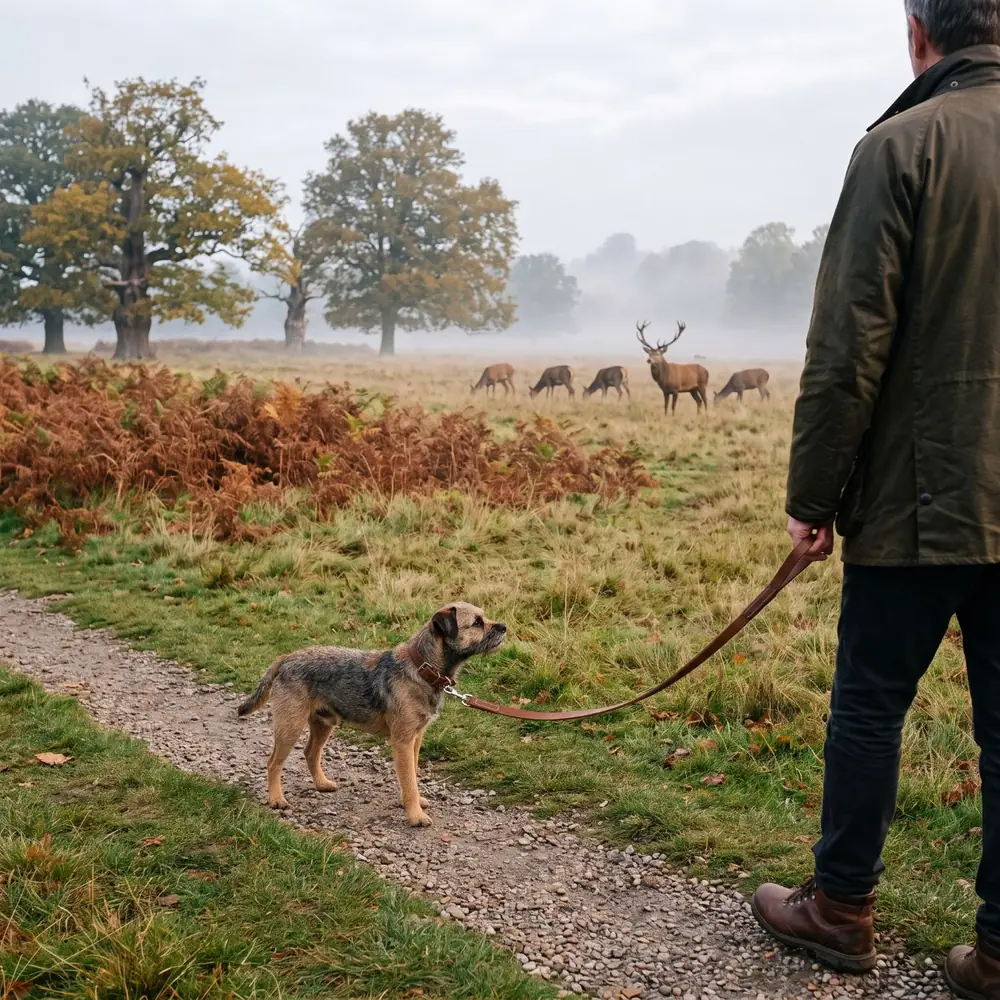
    From late September to early November the stags and bucks in a deer park are rutting. The parks that hold deer ask you to keep a dog on a lead and at least 50 metres from the deer, or to walk it somewhere else for those weeks. If a deer does come at you, the Royal Parks say let the dog off the lead.

    What makes a walk hard ·

  • Busy roads on a dog walk: what the traffic counts say

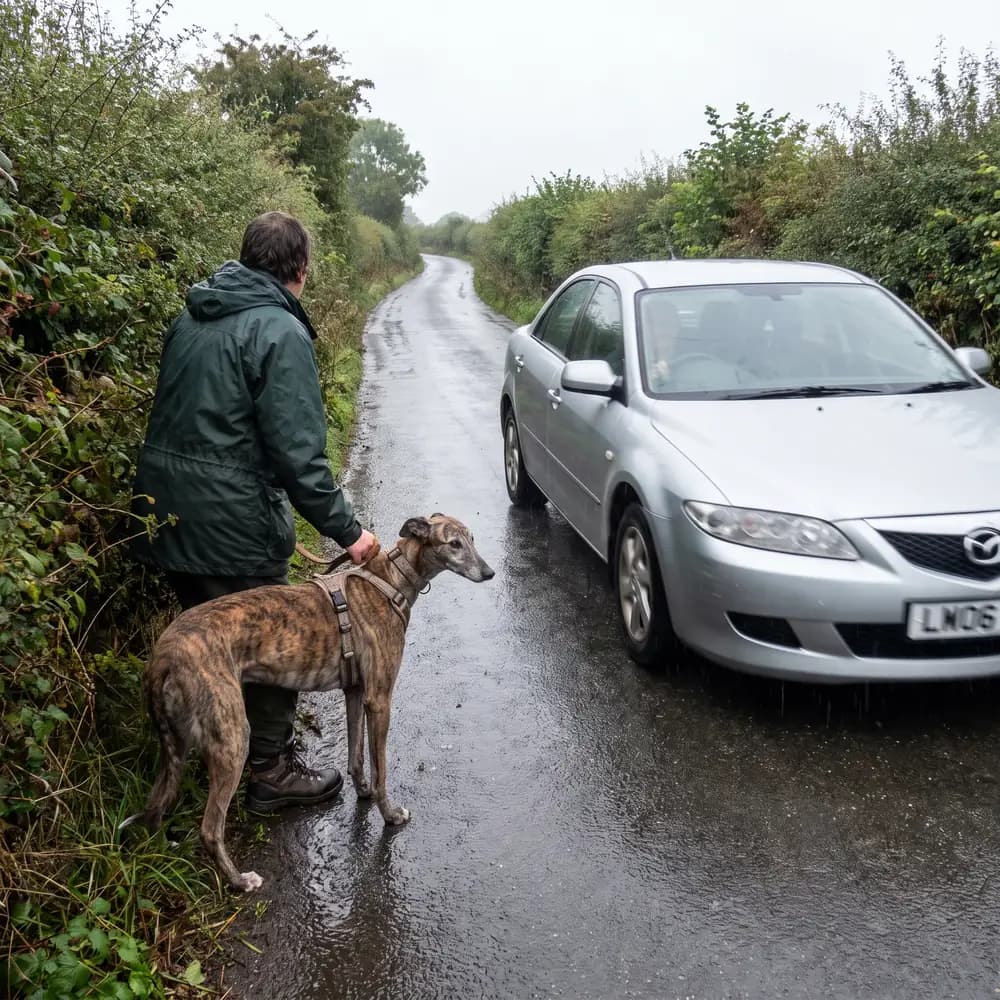
    We mark a road busy from the Department for Transport's counts, treat an unposted limit on a main road as 60 mph because that is the law, and refuse any walk that runs more than 60 metres beside a 60 mph road with no pavement.

    What makes a walk hard · · By Paul McManus, founder of Trekosa

  • Dog walks without stiles: why they are hard to find, and how we find them

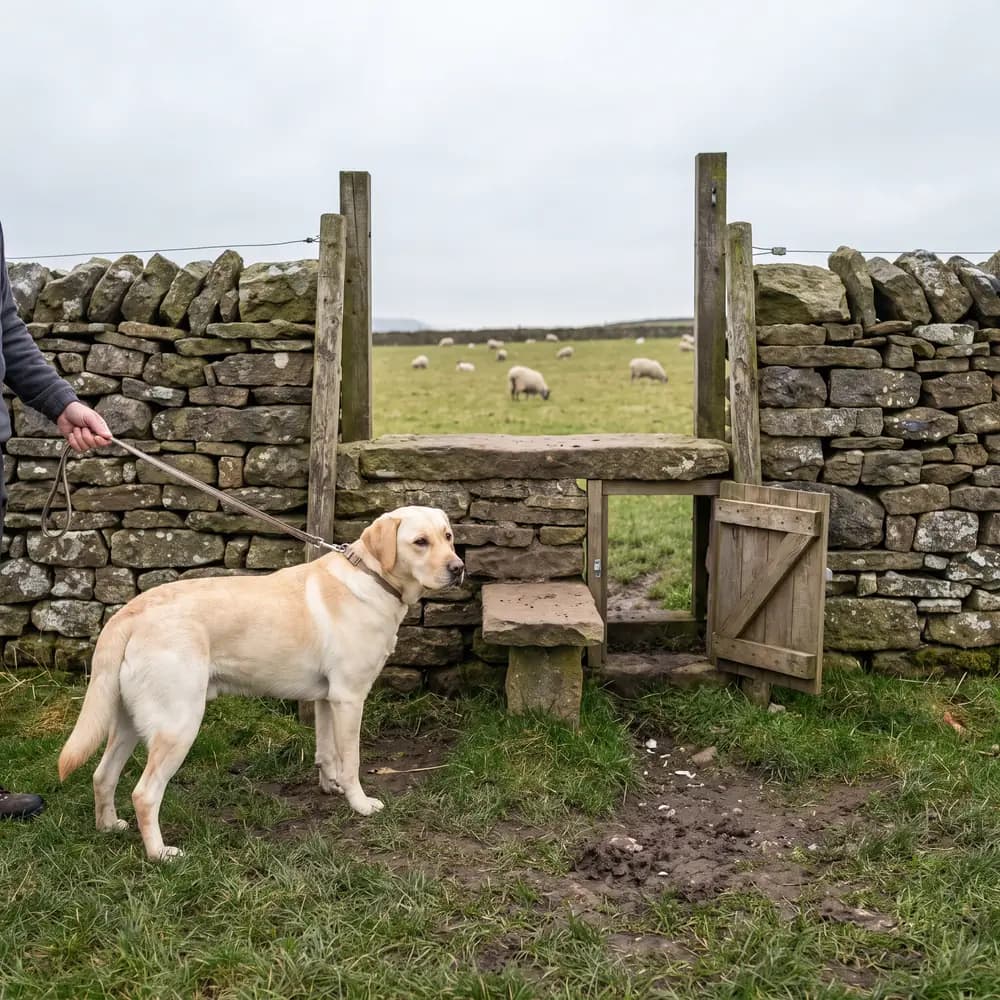
    No ordinary map records a stile. We read the ones volunteers have mapped in OpenStreetMap, count each one within seven metres of a walk, judge them per kilometre, and say where a mapper recorded a dog gate.

    What makes a walk hard · · By Paul McManus, founder of Trekosa

How we know

What quiet means, why we never say safe, and every source a walk is checked against.